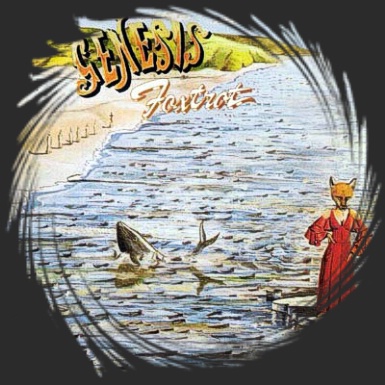
 1972 was truly an important year for progressive music. There were several artists that undeniably pushed the barriers of music and raised the bar really high. The most popular releases back then were “Close to the Edge” by Yes and “Thick as a Brick” by Jethro Tull. These albums were artistic statements whose influential impact on art rock cannot be denied. These bands were labeled as progressive.
Most of the bands that belonged to the progressive scene were known for composing music that had several intricacies; whether it was odd-time signatures, more technical use of the instruments, or 15+ minutes suites, these bands showed very respectable musicianship skills. Genesis definitely falls into this progressive category, and Foxtrot was the first album where they actually fulfilled this progressive approach towards music.
First of all, this album has every element one would expect from a progressive album; crafty use of time signatures, extended instrumental passages, symphonic keyboards, intricate guitar and bass lines, unconventional use of vocals, and highly poetic lyrics. However, something that distinguished Genesis from fellow progressive acts is the fact that they were the ones that mastered the subtle art of restraint. Every element is thrown in such a delicate way, musicianship never becomes overbearing or exceedingly pretentious. Now, pretentiousness is often associated with progressive music, and it’s not hard to se why. Most of progressive music is more often thought-out and calculated than actually heartfelt, since creativity is something that has no real limits. But Genesis’s compositions were more organic and heartfelt than most of their contemporary bands’.
Genesis’s sound, however, is not easy to categorize. It’s mellow and sophisticated, but at the same time it’s quirky and colorful. They used 12-string acoustic guitars, mellotrons, organs, and keyboards. These elements were usually used to craft quirky, somewhat cartoonish verses connected by soothing atmospheric passages. Peter Gabriel had a very theatrical way of using his vocals, singing with many different accents and varying levels of intensity. When there are keyboards or guitar solos, they aren’t thrown in a flashy way. They are more melodic and often convey some imagery that relates to the topic of the lyrics. However, that doesn’t mean they aren’t highlights of the music. Tony Banks is a very skilled keyboardist and classically trained piano player. And guitar player Steve Hackett was one of the first guitarists that used the tapping technique to speed up melodic patterns in solos. The rhythmic section is also really solid, Phil Collins is a very powerful drummer with a very delicate touch. And Rutherford’s bass lines are perfect in the task of gluing everything together, sometimes becoming more than just a rhythmic instrument. It’s also important to state that most of their songs are stories that successfully achieve the goal of creating visual imagery in one’s mind.
Foxtrot is Genesis at their quirkiest, songs like Get ‘Em Out by Friday and Supper’s Ready show what Genesis is all about; quirkiness versus seriousness. Get ’em out by Friday is a story about the rudeness and cruelty that the government shows towards people who’s economy is so limited, they can hardly keep up with the payments of the home they’re renting. It shows Peter Gabriel taking the role of every character involved in the story, and the intensity of his vocals varies depending on what character he’s representing. The rest of the band also follow this dynamic of shifting between mellow and intense to support Gabriel’s performance. Most progressive acts were also known for overbearing lyrics. Yes had a very stream-of-consciousness approach towards lyrics, and King Crimson’s lyrics were dark and haunting. Peter’s lyrics are grandiose, articulate, sophisticated and theatrical. It’s easy to notice that Gabriel was a very educated young man who was highly influenced by old English literature. His lyrics were sometimes hard to decipher, but they flowed smoothly and elegantly while still conveying fantastic imagery.
The highlight of the album is it’s closing suite Supper’s Ready. This song is a 23 minute monster that showcases the entire band’s best performances in the whole album. Peter Gabriel’s vocals are truly unique, especially in the “Willow Farm” middle section, where he sounds incredibly odd by mocking different accents, sounding clinical and almost bipolar. The acoustic passages of this song are just beautiful, excellent use of 12-string guitar. The keyboards takes the role of being an atmospheric element in the beginning of the song, and towards the end takes the role of being in the lead, with Banks’s most impressive keyboard solo of his entire career. The guitar solo in the second quarter of the song is also a highlight of the song, Steve Hackett uses his tapping technique and other different techniques to create an odd sounding but still epic solo. This song is not just Genesis’s best song, but also a landmark in progressive music right next to Yes’s Gates of Delirium and Jethro Tull’s Thick as a Brick. This album, however, is not perfect. It has got a couple of flaws which are thankfully easy to forgive. For instance, the mellotron intro to Watcher of the Skies drags too much, it would have worked better if it was a minute shorter. Also Time Table is somehow an underwhelming song compared to the rest of the songs, however this song is highlited by an emotional and memorable chorus. The production values are also a little rough around the edges, but this was perfected in their upcoming album Selling England by the Pound which may be the reason it’s often considered Genesis’s best album (though that’s a debatable subject).
All in all, Foxtrot is a hugely influential album, and one of the genre’s best. Whether it’s for Watcher of the Skies’s commanding 6/4 beat, Get’em Out by Friday’s catchy and quirky verses linked by atmospheric passages, or Supper’s Ready’s vocal madness; Foxtrot is an album that is hard to forget. I would seriously recommend it not just to prog fans, but to every person who considers himself as a music aficionado. This album was one of the first that showed what progressive music is all about without the necessity of being self-indulgent and super pretentious.

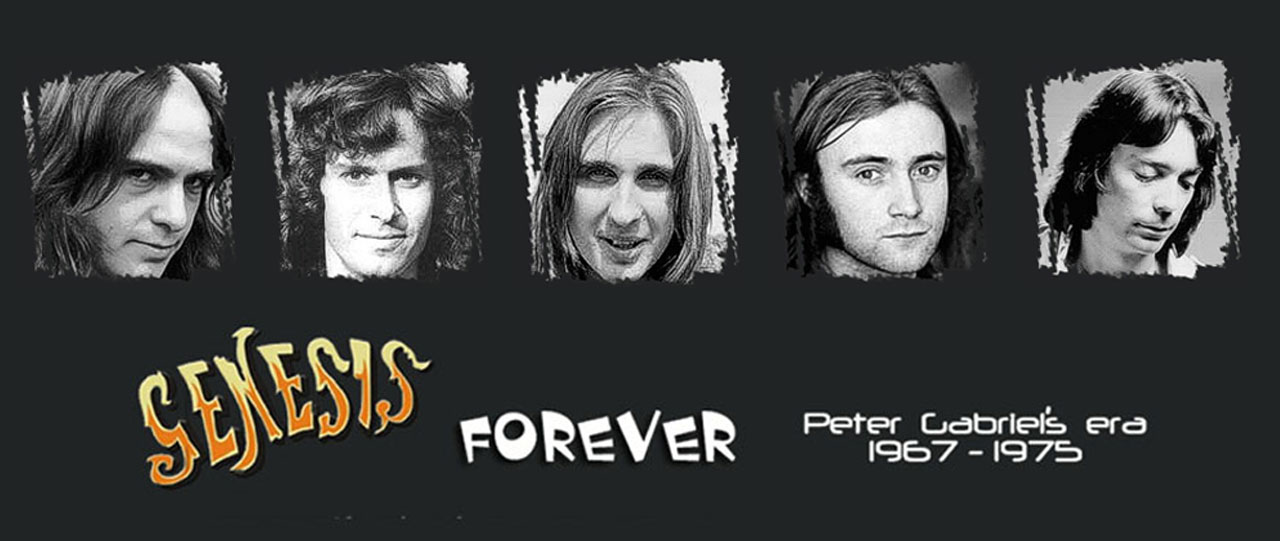

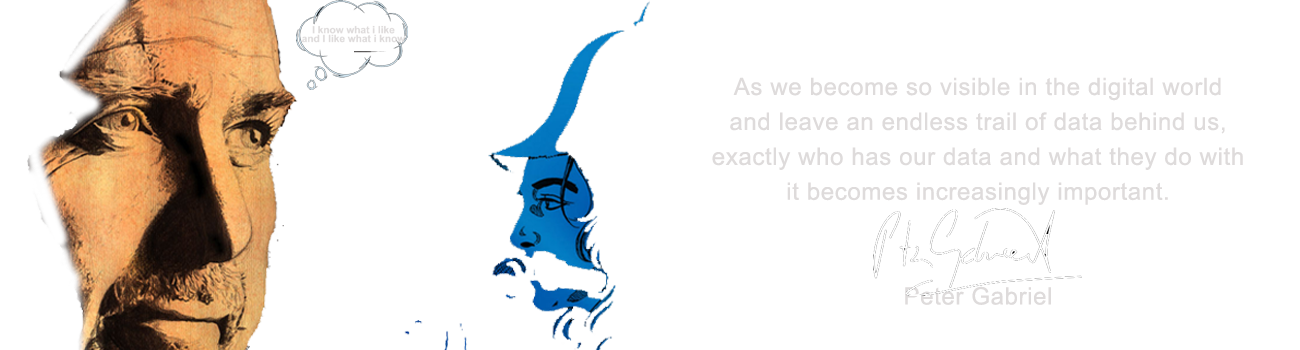

Written by Thomas Schrage
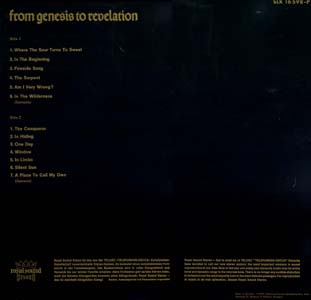 Genesis‘ first album was not called Trespass but From Genesis To Revelation. Many fans tend to count it as their zeroeth album.
 It shows no or at best only the most minuscule traces of the style that would make them well-known later, and therefore frequently meets with a refusal and lack of affection. Justly so?
The band did not have the line-up they got known with yet. One could say they did not even exist. They came together to record demo-tapes in the first place. All of them knew each other from Charterhouse public school. The songwriter team Rutherford and Anthony Phillips asked Tony Banks to play the piano for them; Banks only agreed if he could bring his songwriting partner Peter Gabriel to record a song. Soon they were convinced that Gabriel’s voice sounded better than Phillips’ so he ended up singing on all the songs.
When he did not sing, Phillips played the guitar, a position he would retain up to Trespass. Initially, the drums were played by one Chris Stewart, though the drumming on the album would be done by John Silver. The drummer’s stool would not be filled permanently until Phil Collins joined Genesis. Only with him did the band find someone who was accepted as a full member and could incorporate himself.
These boys (most of them were around 17 at the time) managed to land a record contract with Jonjo Music in August 1967. That only meant that a single would be released. King was an alumnus of Charterhouse and had had quite a successful hit with Everyone’s Gone To The Moon. A shallow pop song though that may have been, he nevertheless seemed to be a person of success and influence, and they found it very promising that they could have him produce them.
Read More
 The year was 1969. Among the many discoveries made that year was something called "the import record" - albums from England that were either different from those released here, or just plain never released in Athens.
I remember pulling together a stack of domestic promotional albums and heading to a downtown rendezvous, near Acropolis to a place called Plaka, where in a small records shop they were traded for a decidedly smaller stack of imports. One of them was a little item that had a black cover with gold lettering proclaiming FROM GENESIS TO REVELATION. It was the first effort of a British group that couldn't decide on their name, although the music was much more decisive - I immediately vowed to become a fan once they figured out what to call themselves....


Genesis Group Members
 Gemesis 1970 - 1975
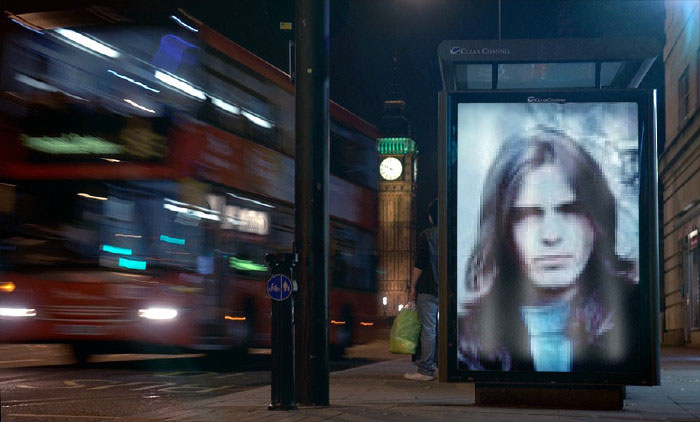
BORN: February 13, 1950, London, England
As the leader of Genesis in the early '70s, Peter Gabriel helped move progressive rock to new levels of theatricality. In his solo career, Gabriel was no less ambitious, but he was more subtle in his methods.
 Gemesis 1970 - 1975
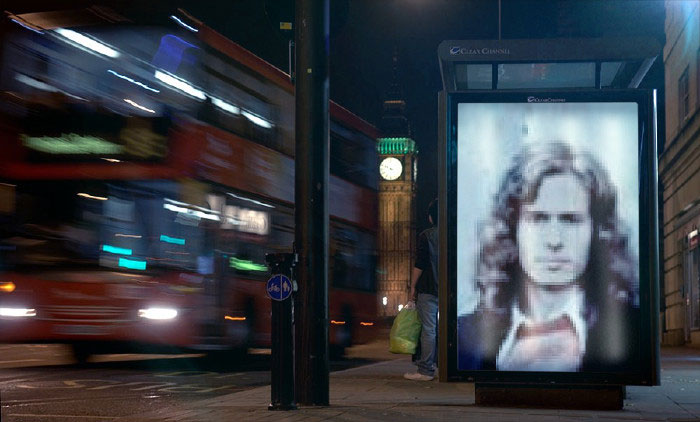
BORN: March 27th, 1950, East Sussex, England
Tony Banks started his career with Genesis in 1967 as the pianist/keyboardist, after the emergence of the Charterhouse School Bands The Garden Wall, which Tony was a member,..
 Gemesis 1970 - 1975
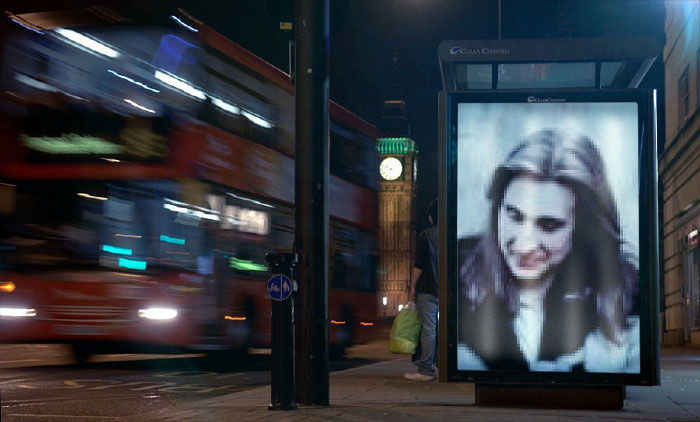
BORN: October 2nd, 1950, Guildford, Surrey, England
A founding member of the long-running art-rock band Genesis, Mike Rutherford also made the occasional excursion into solo projects, most notably the pop combo Mike + the Mechanics.
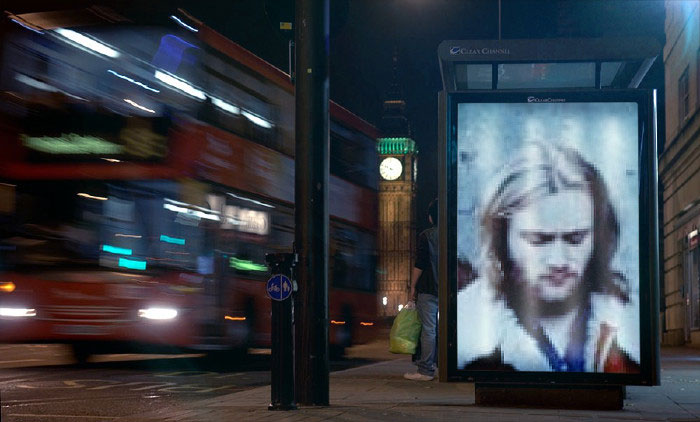 Gemesis 1970 - 1975
BORN: January 31, 1951, Chiswick, London, England
Phil Collins' ascent to the status of one of the most successful pop and adult-contemporary singers of the '80s and beyond was probably as much of a surprise to him as it was to many others.
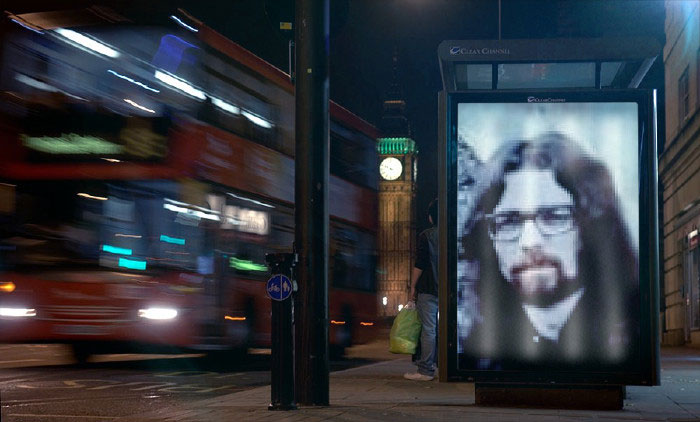 Gemesis 1970 - 1975
BORN: February 12th, 1951, England
Formerly a member of various minor bands, including Canterbury Glass, Heel Pier, Sarabande and Quiet World, the latter releasing a solitary album on Dawn Records in 1970, Hackett joined Genesis as guitarist in early 1971.

March 16th, 2015 By Jim Laugelli
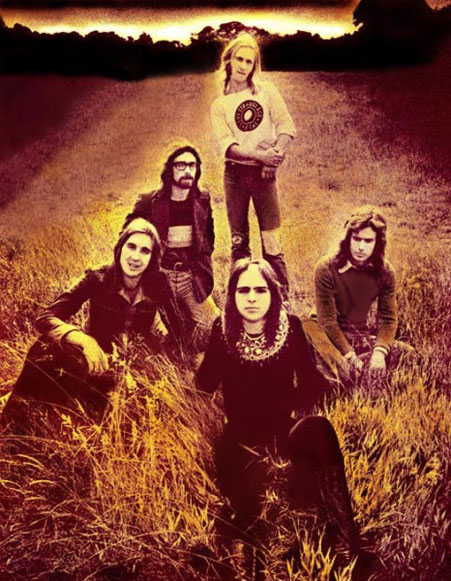 I could have very easily chosen a number of other Genesis albums but I decided on this one simply because it features what is perhaps the most significant song in all of progressive rock: “Supper’s Ready.” My introduction to Genesis occurred 41 years ago and had one of the most profound impacts on my personal musical journey. On that night, in May of 1974, a friend asked if I wanted to see a concert. He had a few extra tickets for a Genesis show and no one to join him. I never heard of the band and for some reason thought they were probably some sort of acoustic act. As far as I recall, my friend knew little about the band as well. I believe someone just gave him the tickets. With nothing better to do I decided to check it out. When we arrived at the venue and had taken our seats I remember my curiosity ratcheting up when the pre-concert music over the P.A. was Mike Oldfield’s Tubular Bells. This signaled to me that I was probably going to hear something unexpected. Sure enough, when the lights went down and the crowd quieted, the opening chords to “Watcher Of The Skies” begins. I immediately leaned forward in my seat totally consumed by the sound of the mellotron.
As that instrument eases, the staccato rhythm of the bass begins and in the darkness a pair eyes appear, they seem to be searching, radiating, only to reveal a figure in a cape with bat wings wrapped around his head. The vocals then begin and until the end of the show I remain completely and utterly captivated. My mind was officially blown. It was a revelation. I left that show a changed person. This was music that went beyond my imagination. It was presented like theater, it told stories. In fact, before many songs, Gabriel told surreal little tales as a way of introducing the tunes. The next day I bought Foxtrot, and then Selling England By The Pound, Nursery Cryme and Trespass all in short order. I immersed myself in their music.
Foxtrot begins the band’s high point of three consecutive outstanding albums. It was released in 1972, a banner year for progressive rock that also saw the release of Close To The Edge by Yes, Thick As A Brick from Jethro Tull, Trilogy by ELP, Three Friends from Gentle Giant and a slew of other incredible records. For Genesis, Foxtrot saw them tackle ideas they started with their two previous releases, Trespass and Nursery Cryme. The level of complexity in song structure, the emphasis on theatricality and drama, storytelling and extended song form all reached a new level of sophistication on Foxtrot.


1967 - 1975
 Compiled by Ikon Designing
Aside from a portion of the box set, this is the only commercially available live document of vintage Gabriel-era Genesis.
 Compiled by Ikon Designing
That's it. Genesis' most ambitious work to date that ultimately led to the shock departure of their much loved singer Peter Gabriel.
 Compiled by Ikon Designing
The painterly texture of the album art is a very nuanced addition to the artwork., but with a plain light yellow-tan border, the artwork itself can feel a bit drab.
 Compiled by Ikon Designing
In 1963 Peter Gabriel and Tony Banks met at Charterhouse, a boarding-school, that layed in the English county Surrey in the middle 1960s.
 Compiled by Ikon Designing
Once upon a time, in a land far, far away. . . England, I think it was called. . . There lived four young men. . Their names were Ant Phillips, Michael Rutherford, Tony Banks and Peter Gabriel.
 Compiled by Ikon Designing
While recovering from this, he began writing Genesis' most ambitious project to date, "Supper's Ready," a 23-minute masterpiece
 Compiled by Ikon Designing
On every level the band transcend any kind of expected performance standard. Musically they are so proficient they make that part of the job look like a secondary exercise.
 Compiled by Ikon Designing
Genesis obviously differ from the dressed-up 12-bar that most bands unravel. And because of these very differences, the band have been slated over over their motives.
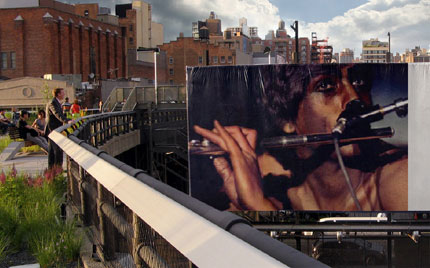 Compiled by Ikon Designing
Lifeless was the performance of leader Peter Gabriel; the protagonist's name is Rael so it's surely no accident that Gabriel is a Roger Daltry sound alike.

This Website is for non-commercial use
It is an online digital library
© Genesis Forever 2000 - 2025 All rights reserved. - Version 18.1a - Designed & Developed by Ikon Designing - Powered by ENARTIA - Crete, Greece