

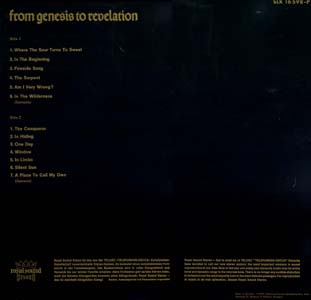
 It shows no or at best only the most minuscule traces of the style that would make them well-known later, and therefore frequently meets with a refusal and lack of affection. Justly so?


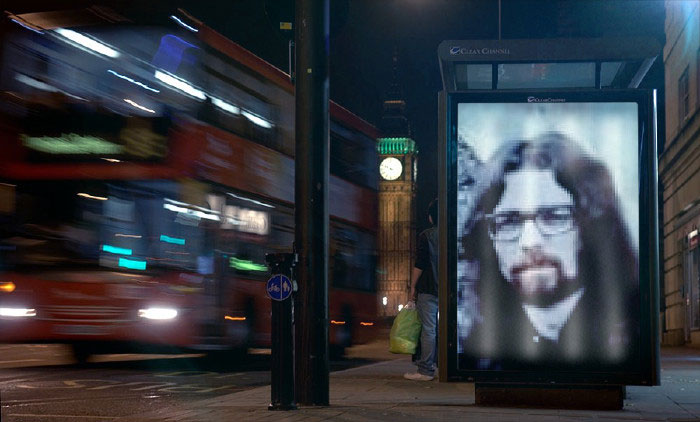





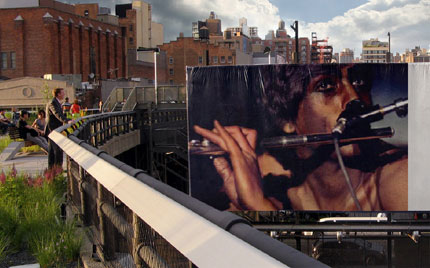
A Listener’s Companion will be published by Rowman & Littlefield by September of 2016.
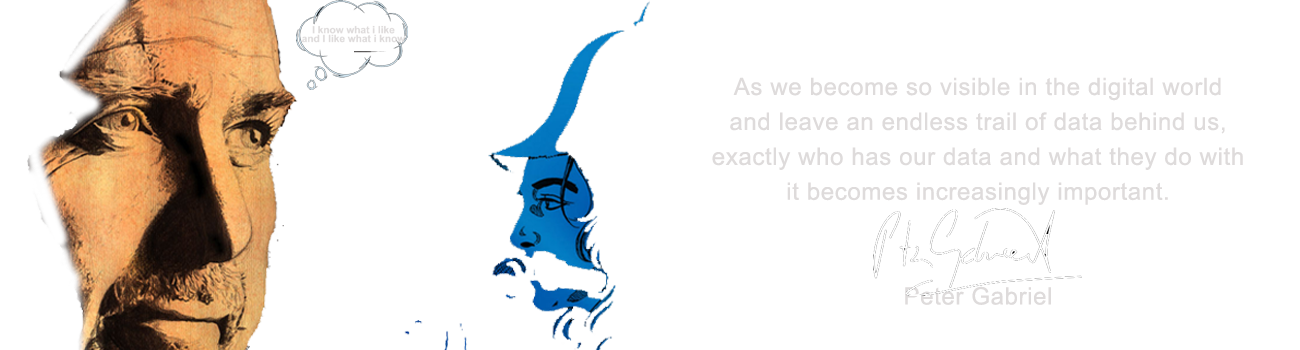
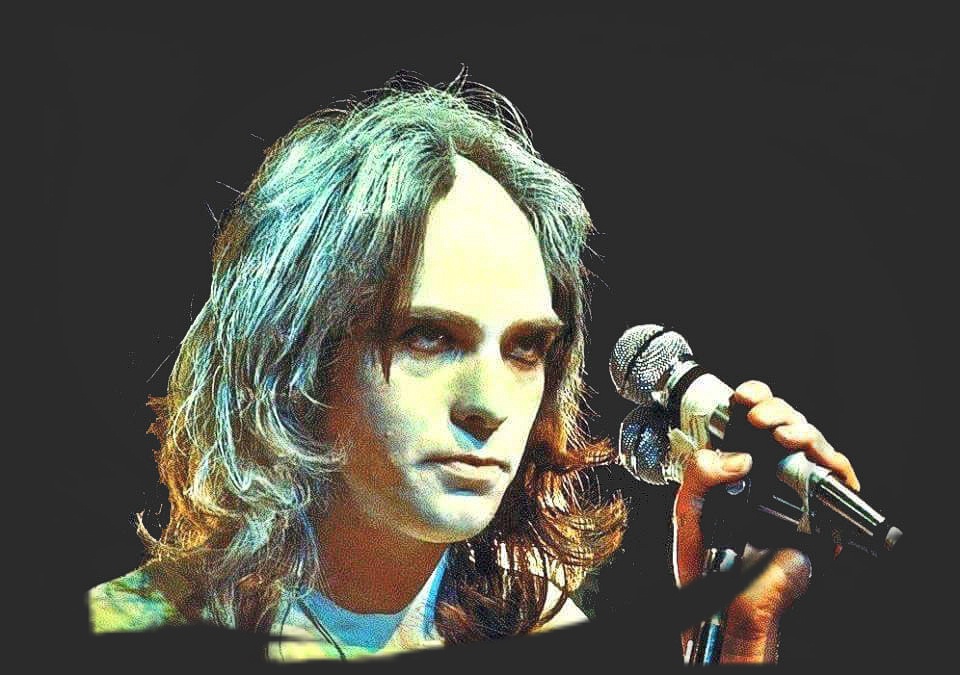 Peter Gabriel is an innovative, British singer-songwriter, musician, and humanitarian activist (b. 13 February 1950), who has also worked extensively with other musicians and others and in various areas of music-related technology. In his early career, he was the lead singer of the progressive rock band Genesis, with which he made six studio albums, a live album, and concert tours (1969-75). His solo career then spanned a further nine studio albums (1977-2011), plus four film/media scores, movie songs, music videos, major tours, live albums, concert films, and other projects. His work ranges from quite experimental to relatively mainstream.
Chapter 1: “Tell Me My Life is about to Begin”
– 1950-1971 and early Genesis
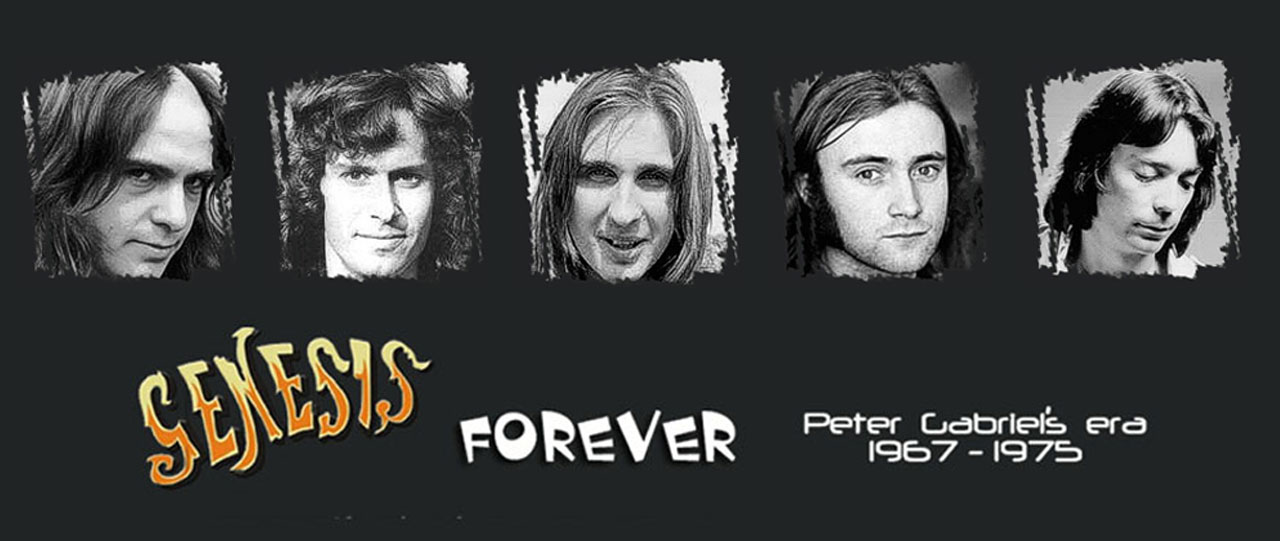
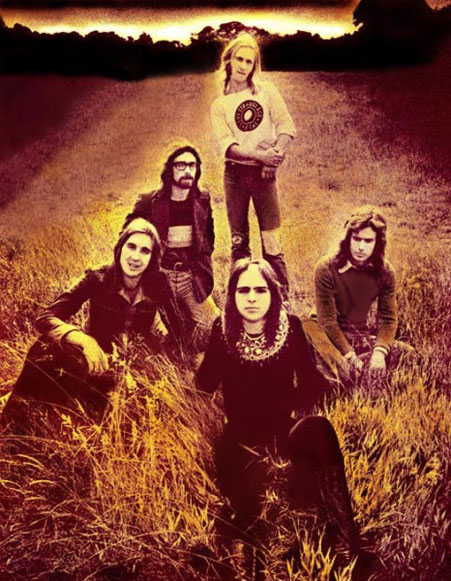
Gabriel and some of his classmates from the UK’s Charterhouse School emerged as the rock band Genesis in 1967. After a pop/R&B direction on its first album, From Genesis to Revelation (1969), the group pursued a complex, progressive rock style on Trespass and Nursery Cryme (1970 and 1971). Songs include: “The Knife,” “The Musical Box,” and “The Fountain of Salmacis.” As the band’s lead singer, Gabriel wrote many of its fanciful lyrics, but he also sometimes contributed to its music on flute and became known for his live show costume changes for characters within certain songs.
Chapter 2: “The Chamber was in Confusion”
– 1972-1975 and the Exodus from Genesis
Gabriel’s last three studio albums with Genesis were Foxtrot (1972), Selling England by the Pound (1973, and followed by a live album), and the double, concept album The Lamb Lies Down on Broadway (1974). Songs include: “Watcher of the Skies,” “Supper’s Ready,” “I Know What I Like (In Your Wardrobe), “Carpet Crawlers,” and “Lilywhite Lilith.” The latter album was, in some ways, lyrically a separate Gabriel project even more than the band’s earlier music had been. Also, the other band members resented the media’s attention on Gabriel as its “leader.” He left the band in late 1975, having announced his planned departure to the rest of the group (but not to the public) early during its 1974-75 tour. Phil Collins replaced Gabriel as its lead singer in 1975 (having joined Genesis as its drummer in 1970), and Gabriel began to prepare for a career as a solo artist.
Chapter 3: “They’ve Come to Take Me Home”
– 1976-1978 and 1 (“Car”) and 2 (“Scratch”)
Gabriel’s first two solo albums are stylistically-eccentric experiments into different genres (1977 and 1978). Some songs include progressive-like, “chamber rock” elements slightly reminiscent of his work with Genesis, but others have ornate, orchestral arrangements or even explore soft rock, folk, country, barbershop, and music hall styles. Gabriel named his first several solo albums “Peter Gabriel” and let the visual differences in the covers differentiate between them.
They are, however, usually referred to either by their position in the series or by the main feature of their covers. 1 (“Car”) includes his first well-known solo songs, “Solsbury Hill” (a “progressive folk-rock” song lyrically inspired by Gabriel leaving Genesis) and the apocalyptic “Here Comes the Flood.” 2 (“Scratch”) is more experimental and was produced by King Crimson’s Robert Fripp. It includes the songs “On the Air” and “D.I.Y.”
Chapter 4: “If Looks Could Kill, They Probably Will”
– 1979-1980 and 3 (“Melt”)
On his third album, Gabriel emerged as a leading artistic figure of the late 20th century (1980). His work began to include creative applications of studio technology and electronic instruments (a sparse drum sound without cymbals, innovative uses of synthesizers, etc.), experimental musical structures, more focused (and sometimes political) lyrics, world music influences, and support from artistically-sympathetic colleagues (e.g., Kate Bush). The songs include “Intruder” (from the point of view of a “cat burglar”), “Games without Frontiers” (a catchy combination of unusual sounds with multicultural- and nature-influenced lyrics), and “Biko” (about the death of a South African activist).
Chapter 5: “Cover Me, When I Run”
– 1981-1984 and 4 (“Security”)
Gabriel’s fourth album includes his extensive use of the very expensive Fairlight CMI sampling and sequencing computer music instrument (1982). “Shock the Monkey” is the album’s best-known song (U.S. No. 29), and it is built around a repeated synthesizer hook and lyrically concerns the release of one’s jealousy instincts. However, other songs give a better sense of the emotional range Gabriel was able to achieve by including “world beat” percussion, unusual instrumentations, intense build-ups, extreme vocal ranges, and/or disturbing lyrics. Those songs include “San Jacinto,” “The Family and the Fishing Net,” and “Wallflower.” His double-live album Plays Live and soundtrack for Alan Parker’s film Birdy followed in 1983-84. The latter consists largely of alternate, instrumental versions of some of Gabriel’s recent music. In addition, he founded the WOMAD (World of Music, Arts, and Dance) festivals in 1980, and its first event was held in 1982.
Chapter 6: “This is the New Stuff”
– 1985-1989 and So
So is Gabriel’s best-selling and most accessible work, selling over four million copies in the U.S. (1986). It includes the R&B-inspired hit “Sledgehammer” (U.S. No. 1, plus numerous awards for its video), but also the dream-inspired “Red Rain,” the celebrity-identity song “Big Time,” the soft-rock ballad “Don’t Give Up”, the love song “In Your Eyes”, and “This is the Picture (Excellent Birds).” His main collaborators on the latter three were British musician Kate Bush, African singer Youssou N’Dour, and American performance artist Laurie Anderson. His soundtrack for Martin Scorsese’s controversial film The Last Temptation of Christ followed in 1988. Released as Passion and winning a Grammy award, it includes collaborations with African, Middle Eastern, and other musicians. In addition, Passion: Sources was the first release on Real World Records, which he founded in 1989. He also performed for Amnesty International human rights awareness tours in 1986 and 1988.
Chapter 7: “I Reach through the Border Fence”
– 1990-1999 and Us
Us is Gabriel’s most personal work, with a number of quite serious songs having to do with his personal relationships and recent experiences of psychotherapy (1992). Such songs include “Come Talk to Me,” “Blood of Eden,” “Digging in the Dirt” (including the 1993 Grammy-winning music video), and “Secret World.” The sexual-desire-themed “Steam” (1994 video Grammy) recalls the R&B inspirations of “Sledgehammer.” Irish musician Sinéad O’Connor provides guest vocals on several songs. The concert tour was released in 1994 as Secret World Live, and it won the 1996 long-form video Grammy. In addition, the related, interactive, CD-ROM computer game Xplora1 was released in several versions between 1992 and 1994. He also continued his humanitarian work.
Chapter 8: “In Transition Once Again”
– 2000-2015 and Up
Up is one of Gabriel’s most self-consciously experimental studio albums, entirely self-produced and using updated music technology and electronic, orchestral, vocal-effect, and dance-oriented percussion sounds and loops (2002). Most of the songs are lengthy, around six to eight minutes, including: “Darkness,” “Growing Up,” “Sky Blue,” and “Signal to Noise.” Gabriel frequently collaborated with other musicians and always respected the work of others. Thus, his album Scratch My Back includes orchestral-accompanied cover versions of songs by other artists (2010). New Blood similarly uses orchestral accompaniments, but for some of Gabriel’s own, earlier songs (2011). Gabriel was inducted into the Rock and Roll Hall of Fame twice, as a founding member of Genesis in 2010 and as a solo artist in 2014.
Conclusion
Peter Gabriel is one of the most innovative popular music artists of the late-20th and early-21st centuries. He established his early credentials with a highly-respected progressive rock band: Genesis. After leaving that group, he then created an array of both experimental and mainstream solo music.