

 It shows no or at best only the most minuscule traces of the style that would make them well-known later, and therefore frequently meets with a refusal and lack of affection. Justly so?







A journey through the hidden corners of the band's discography – from high-concept prog gems to forgotten pop-rock B-sides
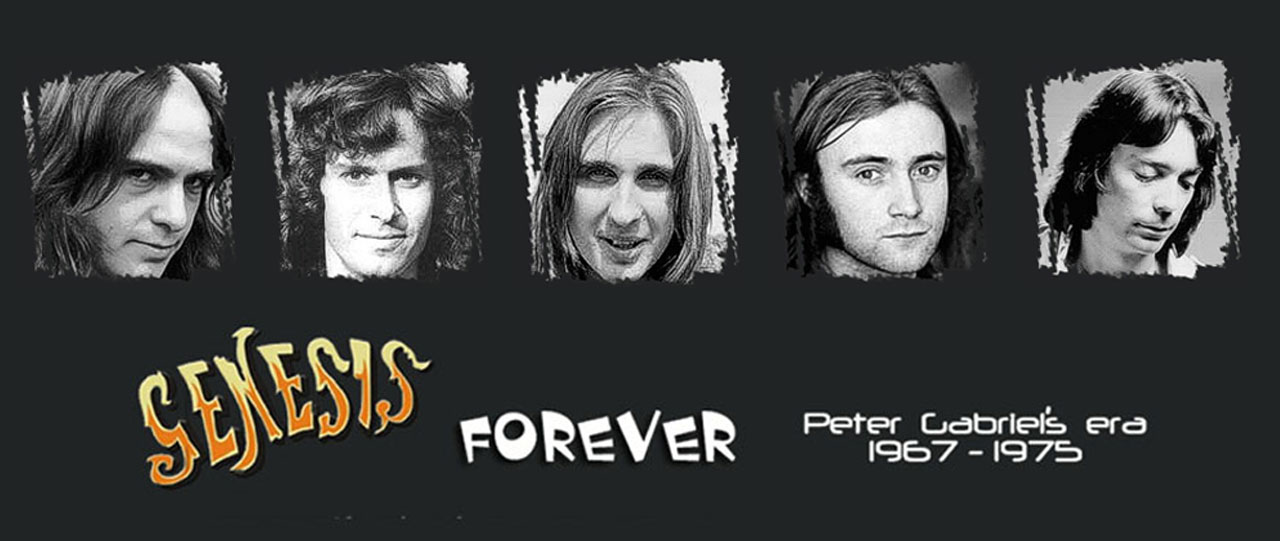
 The question "Do you like Genesis?" brings an inevitable follow-up: "Which one?" The band's early work, recorded under the idiosyncratic Batwing of frontman Peter Gabriel, is the Holy Grail of progressive rock – exemplified by sprawling masterpieces like the 1974 double-LP The Lamb Lies Down on Broadway. But after Gabriel left the band in '75, Genesis carried on with drummer Phil Collins as their de-facto frontman, transitioning from complex, symphonic epics ("Eleventh Earl of Mar") to concise, polished pop ("Invisible Touch)." For many diehard prog buffs, the Collins era is a travesty; for many pop-rock aficionados, the Gabriel era is, as serial killer Patrick Bateman put it in the 2000 thriller American Psycho, "too artsy, too intellectual."
The truth, of course, is that Genesis made incredible music in every one of their distinct eras – from the long-form insanity of "Supper's Ready" to the savvy yacht-pop of "Hold on My Heart." What other band has covered so much sonic territory?
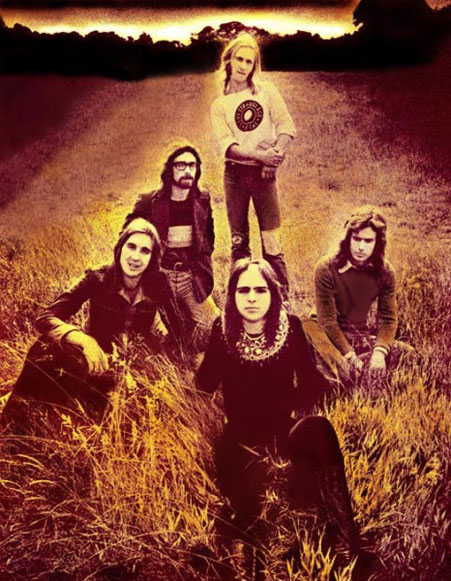
It's been a big year for Genesis. The five members of the classic quintet (Gabriel, Collins, Tony Banks, Mike Rutherford and Steve Hackett) recently reunited for the upcoming BBC/Showtime documentary, Genesis – Sum of the Parts, and a career-spanning, three-disc box set, R-Kive, arrived last month. To celebrate, let's take a look at 20 of the band's buried treasures.  "The Carpet Crawlers"
"The Carpet Crawlers" first appeared as the emotional centerpiece of Genesis' 1974 double-LP, The Lamb Lies Down on Broadway. It's the album's most visually vivid piece (with frontman Peter Gabriel layering imagery of massive wooden doors and spiraling staircases), a true sing-along moment surrounded by ambitious experimentation. It's also one of Gabriel's favorite Genesis songs – but since he left the band after the Lamb tour, Phil Collins wound performing it hundreds of times himself.
This updated version – recorded in 1995 but shelved until the release of 1999's Turn It On Again: The Hits – brings that story full circle, allowing Gabriel and Collins to intertwine their soulful voices in a contemporary arrangement. Producer Trevor Horn frames their vocals with subtle electronic programming, and little else – it almost functions like a Gabriel-Collins collaboration instead of a Genesis track. (Steve Hackett has infamously expressed disappointment that his guitar parts were under-utilized.) Quibbles aside, "The Carpet Crawlers 1999" remains a profound coda to one of rock's most singular arcs. "Looking for Someone"
Trespass, the second Genesis album, is defined by its reflective 12-string textures – but it's also bookended by two longform rock epics. With its heroic organ pattern, fan-favorite closer "The Knife" gets all the glory, but opener "Looking for Someone" is the more musically varied of the two, building from a soulful whisper to a thunderous roar. It's a creative rebirth in seven seamless minutes.
 "Am I Very Wrong?"
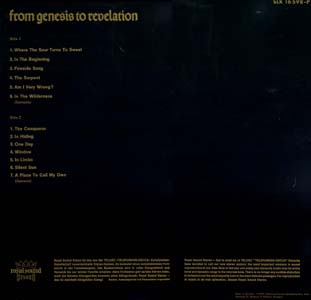
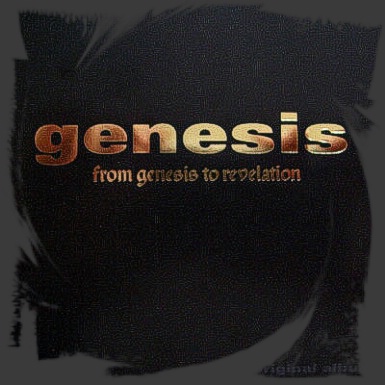
The Genesis presented on From Genesis to Revelation isn't really the band fans grew to love. They were all teenagers when they recorded their debut LP: very much in their formatives stages as musicians, operating under the smothering pop shadow of producer Jonathan King. But Revelations remains fascinating as a historical document, planting subtle seeds of the folk-prog sound that would bloom on the following year's Trespass. Look no further than "Am I Very Wrong?," a gently melodic ballad laced with lush Tony Banks piano and Anthony Phillips' pastoral 12-string guitar passages. The adorably dated lyrics ("The happiness machine is trying hard to sing my song") make this a true period piece, but that doesn't diminish the song's naive charm.
 "Twilight Alehouse"
"I will now receive my comfort," sings an enraptured Peter Gabriel on this brooding powerhouse, "conjured by the magic power of wine!" A staple of the early Genesis set lists, "Twilight Alehouse" was recorded during the Foxtrot sessions but cut for space concerns, eventually slipping through the cracks as the B-side for their breakthrough single, 1973's "I Know What I Like (in Your Wardrobe)." The studio version is essential listening, but it's also worth exploring this in-studio live take filmed for Belgian TV. (Early Seventies Steve Hackett carries the aura of a true prog-rock wizard.)
"Going Out to Get You"
Bluesy rocker "Going Out to Get You" was written during the Trespass era and became a highlight of the band's early setlists, but it was left off that album in favor of the similarly hard-hitting "The Knife." The only known studio version is a slower, groovier demo recorded at London's Regent Sound Studio in August of 1969 (and featured the 1998 box set Genesis Archive 1967-75). It's a deviation from the classic Genesis style – the fascinating sound of a band in flux.
 "The Fountain of Salmacis"
Phil Collins and Steve Hackett made their Genesis debuts on 1971's Nursery Cryme – but in spite of its historical significance, the album suffers from a flat mix and a tracklist padded with filler. Regardless, the LP's highlights are unimpeachable, especially the oft-overlooked closer "The Fountain of Salmacis." Co-composed by the entire early quintet, this triumphant epic delves into Greek mythology and stretches into jazzy atmospherics. But the biggest goosebump moment is Tony Banks' opening mellotron swirl – a definitive souvenir for the prog-rock time-capsule
"The Cinema Show" ('Seconds Out' Live Version)
Percussion master Bill Bruford is the only human being to serve time in each of the Prog Big Three: Yes, King Crimson and Genesis. And the latter gig came about almost as an afterthought. In 1976, fresh from recording his debut lead vocals on Genesis' A Trick of the Trail, Phil Collins invited Bruford to sit in with jazz-fusion side-group Brand X; after mentioning he needed to find a replacement live drummer for Genesis, Bruford casually offered his services for their upcoming tour.
Bruford only stuck around for one tour, replaced in '77 by former Frank Zappa drummer Chester Thompson. But his experimental style breathed new life into the band's setlist, as evidenced on their 1977 live LP, Seconds Out. The album's centerpiece is a dizzying version of "The Cinema Show" (recorded at the Pavillion de Paris on June 23rd, 1976), which is anchored by the journeyman's percussive whiplash.  "Get 'Em Out by Friday"
It's easy to spot which Genesis lyrics were written by Peter Gabriel. Most of the frontman's contributions are conceptually outlandish, often prodding the words-per-minute boundaries of rock singing. "Get 'Em Out By Friday," from 1972's Foxtrot, tells the whimsical sci-fi tale of Genetic Control, a group regulating "humanoid height" in order to fit more people into apartment complexes. But, as usual with prog-era Genesis, the words aren't too important. The track's true strength is its dynamic ensemble playing: Gabriel's throaty roar, Tony Banks' searing organ, Mike Rutherford's galloping bass guitar.