

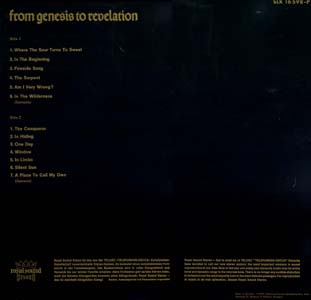
 It shows no or at best only the most minuscule traces of the style that would make them well-known later, and therefore frequently meets with a refusal and lack of affection. Justly so?


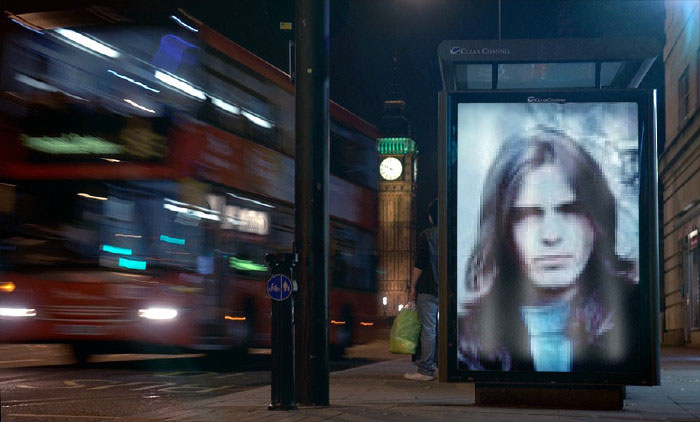
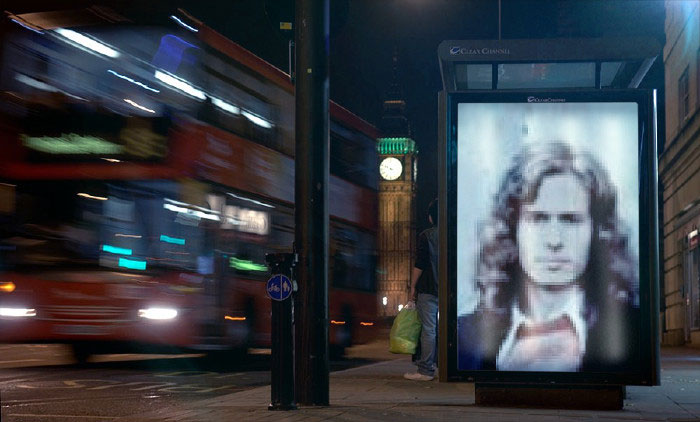
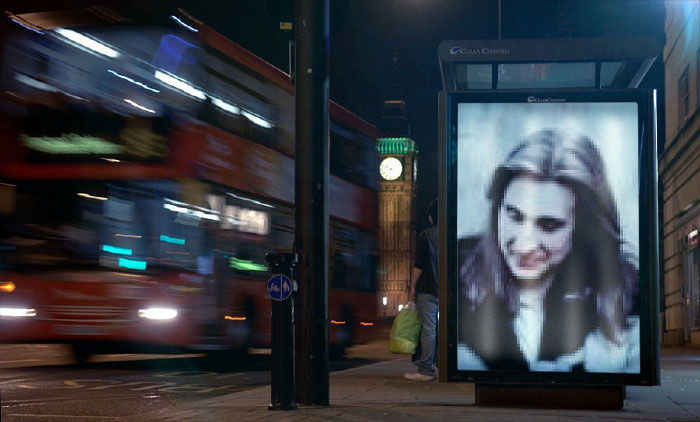
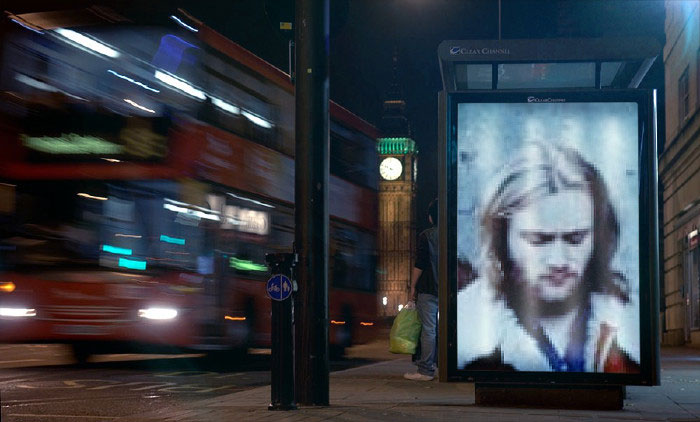
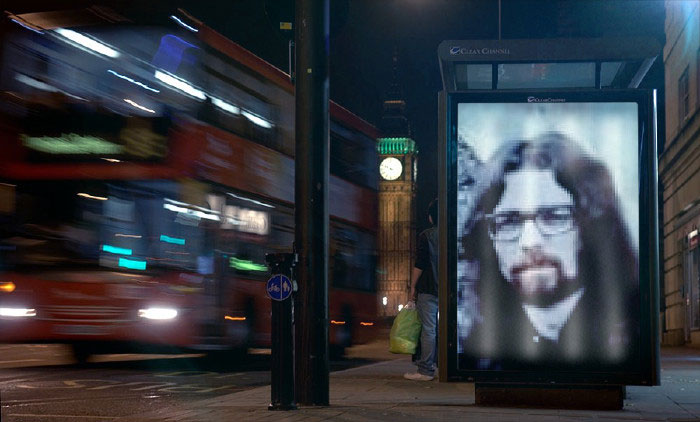

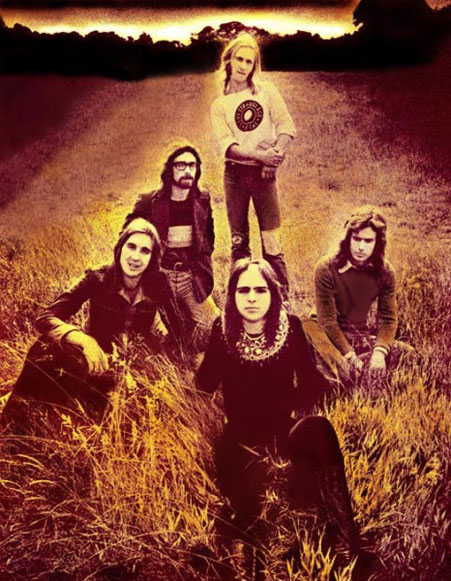




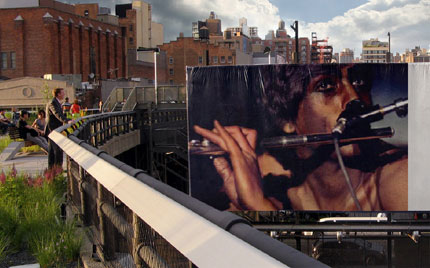

'Genesis - Sit, Look and Listen.' by Richard Green from Music Scene.
Note - I think this is from a publication called "MUSIC SCENE" and will date from 1973 sometime between Foxtrot and Selling England By The Pound.
 In these days, when so-called weanyboppers are gradually becoming more and more vociferous and bands are striving to create uproar among their audiences, it comes as something of a restful and pleasing change to find that Genesis require, demand even, concentration from the masses.
A mark of the audiences' willingness to conform to the band's wish may be found in the best-selling 'Foxtrot' album which was given a healthy shot in the arm by the recently-completed tour with Lindisfarne and Rab Noakes. Such is Genesis' current popularity that a headlining British tour is being set up for February, by which time it is hoped to have another album ready. That tour will follow visits to America and the Continent and preceed a lengthier U.S. trek, plus concerts in Australia and Japan.
Over a 'lunch' of Newcastle Brown Ale in a Soho pub near the offices of Charisma Records (Genesis' label), drummer/vocalist/percussionist Phil Collins talked to me about the band's workings, attitudes and plans. "We are to an extent a bit stylised, as some of the lyrics are pure fantasy," he admitted. "It didn't start off like that, though. Someone comes in with the idea for a song or an arrangement and we work on it. Tony Banks (organ) is very good on chord changes, Pete Gabriel (lead vocals, flute and front man) is on the melody side, and I'm on the rhythm side.
Some New York Times Reviews '72 -'74 New York Times, April 7, 1973
 A black-clad singer has large batwings on his shoulders; the organ player rumbles along, a mixture of Notre Dame de Paris and Fillmore East; black lighting makes everything luminous violet; flash and flare come from the sides of the stage -- theater rock is alive again in New York, delivered by the British group Genesis at Philharmonic Hall on Monday.
Theater rock groups often pay too much attention to externals and not enough to the music. Happily, this is not so with the members of Genesis who are held together firmly by the lead singer Peter Gabriel -- articulate, precise, given to mime and accents, show -- bizarre and one of the most original artists to come along. The material, such as the tale of the little boy who had his head removed or Old Michael, who uses his bare feet tapping to get earthworms to the surface, is offbeat, to say the least.
Sandy Denny, who is also British and has the classic clarity associated with that country's best folk artists, opened the concert as a solo. Her closing number, "At the End of the Day" (by which time she had overcome some audience restlessness), was a thing of beauty and a joy that deserved an encore.
From The Times, January 15, 1974. by Michael Wale.
 A segment of rock music history is created this evening by the appearance of Genesis at the Theatre Royal, Drury Lane, for five nights. There have been a few Sunday night concerts at Drury Lane in the past, but never before has a rock group taken over the house for a week. It is fitting that Genesis should be the group to do so, because they are one of the most theatrical bands around.
Three of them, including their lead singer Peter Gabriel, were educated at Charterhouse. It was this background that made them first approach another old Carthusian linked with pop, Jonathan King, who some years ago had such a success with his own song 'Everyone's Gone to the Moon'.
The idea was that the emergent members of Genesis should write, and perhaps perform, hit singles. However, it soon became apparent to all concerned that this was not their line. Peter Gabriel recalls: "I think we did actually once have a song recorded in Italy by Rita Pavone's brother".