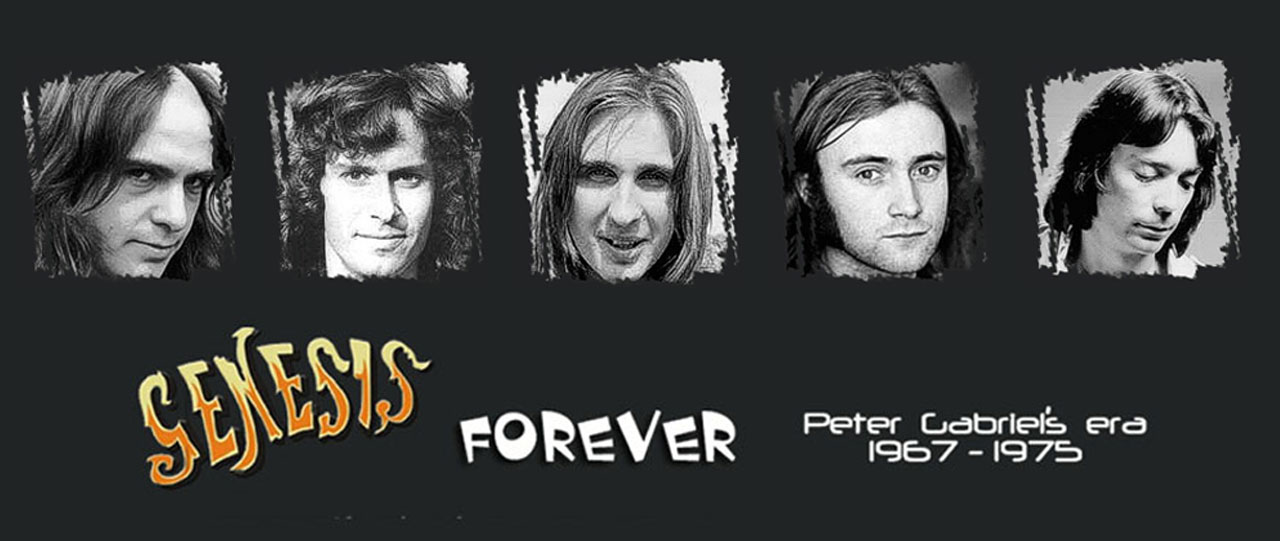


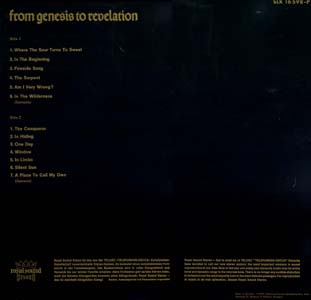
 It shows no or at best only the most minuscule traces of the style that would make them well-known later, and therefore frequently meets with a refusal and lack of affection. Justly so?


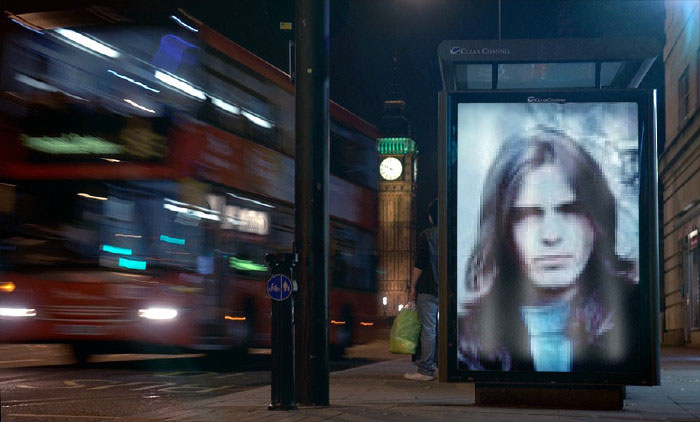
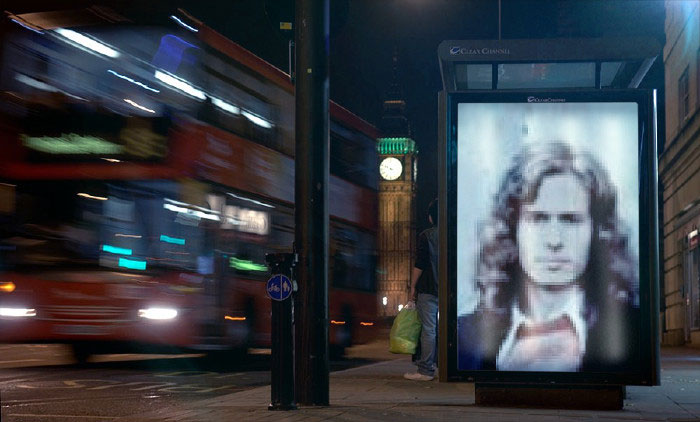
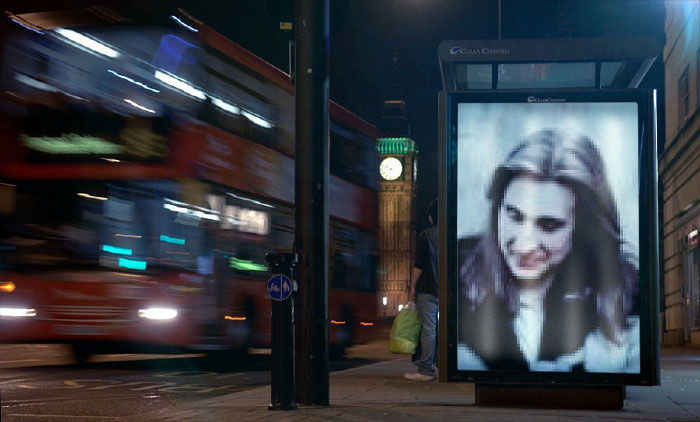
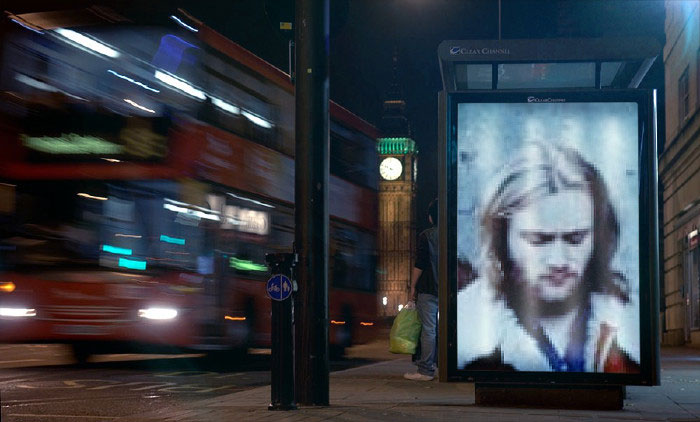





https://www.youtube.com/watch?v=TKgGzmlDv-Q
"Another Day in Paradise" is a song performed by English recording artist Phil Collins. Produced by Collins along with Hugh Padgham, it was released as the first single from his number-one album ...But Seriously (1989). As with his song for Genesis, "Man on the Corner", the track has as its subject the problem of homelessness; as such, the song was a substantial departure from the dance-pop music of his previous album, No Jacket Required (1985).
Collins sings the song from a third-person perspective, observing as a man crosses the street to ignore a homeless woman, and he implores listeners not to turn a blind eye to homelessness because, by drawing a religious allusion, "it's just another day for you and me in paradise". Collins also appeals directly to God by singing: "Oh lord, is there nothing more anybody can do? Oh lord, there must be something you can say?"
The song was a number-one hit worldwide, and eventually became one of the most successful songs of his solo career. The song gained awards following its release but has also received criticism. It won Collins and Padgham the Grammy Award for Record of the Year at the 1991 awards ceremony, while it was also nominated for Song of the Year, Best Pop Vocal Performance, Male and Best Music Video, Short Form. "Another Day in Paradise" also won an award for Best British Single at the 1990 BRIT Awards. In the United States, it was the final number-one single of the 1980s on the Billboard Hot 100, and the first (and Collins' only) of the 1990s.
Collins and David Crosby's live performance of the song at the 1991 Grammy Awards was released on the 1994 album Grammy's Greatest Moments Volume I. In 2009, Collins' version was listed at 86th on Billboard's Greatest Songs of All Time. "Another Day in Paradise" has since been covered by several artists, including Brandy, and her brother Ray J, Jam Tronik, Axxis, Novecento, and Hank Marvin.