

 It shows no or at best only the most minuscule traces of the style that would make them well-known later, and therefore frequently meets with a refusal and lack of affection. Justly so?







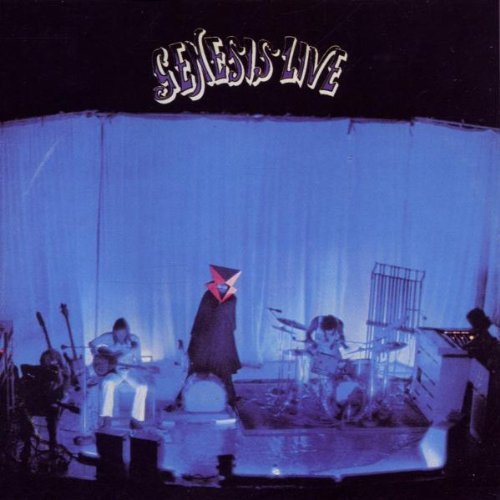 Genesis – Live
Label: Charisma – 6499 593
Format: Vinyl, LP, Album
Country: Germany
Released: 1973
Style: Alternative Rock, Prog Rock
Tracklist
Watcher Of The Skies 8:10
Get 'Em Out By Friday 8:58
The Return Of The Giant Hogweed 8:07
Musical Box 10:33
The Knife 9:12
Mixed At Island Studios
Credits
Photography By – Bob Gruen
Producer – Genesis, John Burns
Written-By M. Rutherford, P. Gabriel, P. Collins, S. Hackett, T. Banks
Notes
All recordings made at The De Montfort Hall, Leicester and The Free Trade Hall, Manchester, February 1973.
Album mixed at Island Studios, Basing St., London W11.
This album is dedicated to Richard Macphail who left April, 1973.
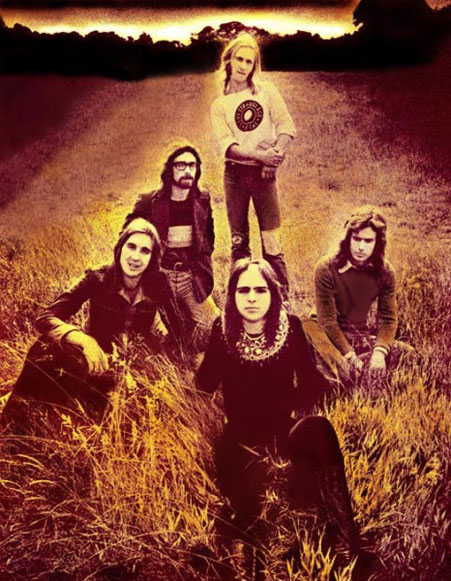
1973's "Genesis Live" is the only live album in the Genesis catalog from the Peter Gabriel era, documenting the band on tour for their 1972 album, "Foxtrot." It's a brilliant but much-too-brief live Genesis set, leaving the listener hungry for more.
Still, what the album does contain on it is classic live Genesis, with Gabriel, Tony Banks, Phil Collins, Mike Rutherford & Steve Hackett rocking through their prog classics "Watcher Of The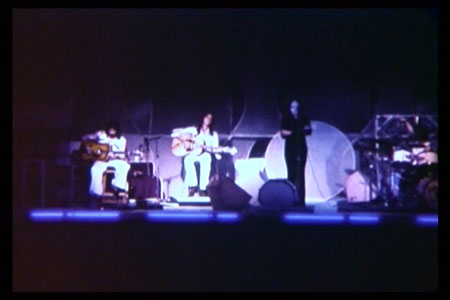 Skies," "Get 'Em Out By Friday," "The Return Of The Giant Hogweed," "The Musical Box," and the grand finale, "The Knife," with great relish. Also featuring the occasional bit of song introductions from Gabriel, "Genesis Live" also gives glimpses into what a grand showman Gabriel was as the group's flamboyant frontman.But with just five tracks on it (albeit long tracks), "Genesis Live" is still too darn short.
It was originally planned as a double live album that also would've included the band's magnum opus, "Supper's Ready," at the album's conclusion, but was trimmed at the last minute in order to make the album more affordable. Thankfully, the problem has been corrected somewhat, as there's now more live Gabriel-era stuff to be found on the band's "Genesis Archives Vol. 1" box set, including the coveted live version of "Supper's Ready." However, keep in mind that that's a bigger, separate purchase (though totally worth it).Still, "Genesis Live" is a great little slice of vintage live Genesis, so if you love the band's early days with Peter Gabriel, you can't go wrong by adding "Genesis Live" to your collection.
Many remember Genesis live shows as Broadway-esque affairs with laser light shows, smoke machines, medleys and Phil Collins in chinos shaking his tambourine. Those were certainly fun, but in the early days Genesis concerts were an altogether different beast. I'm not old enough to have experienced them, but "Genesis Live" offers a tantalizing snapshot of the band's performances from the Peter Gabriel era.
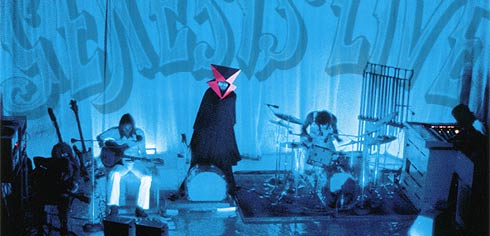
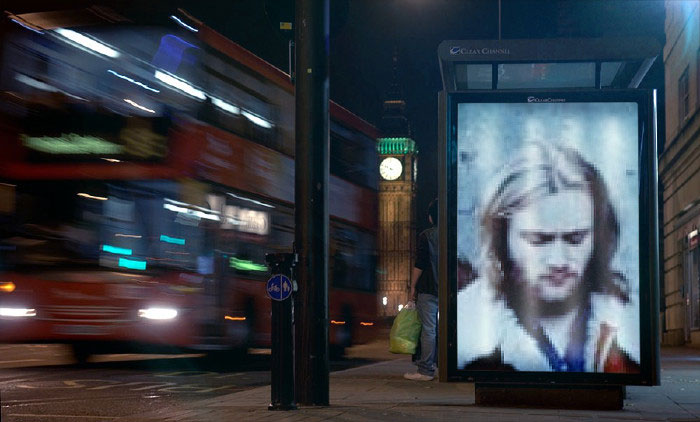
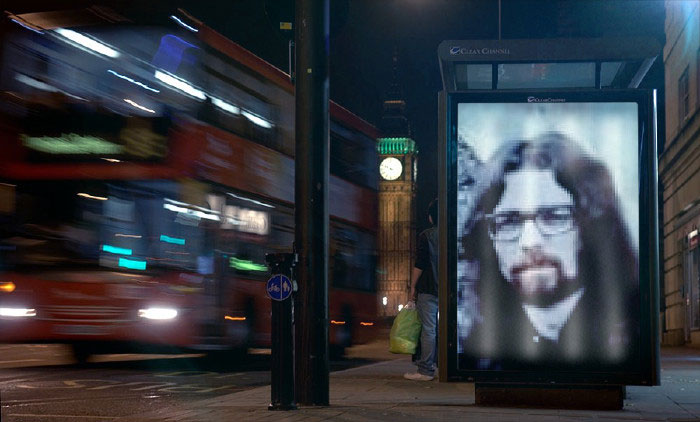
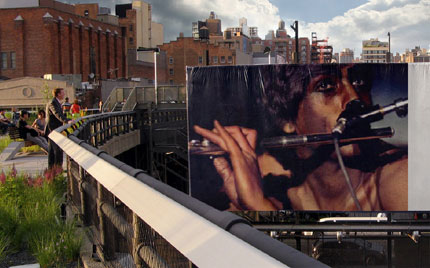
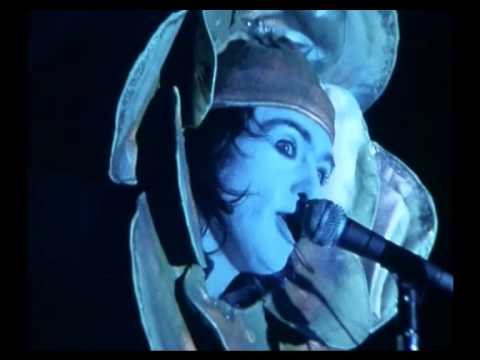
Gabriel was best known for wearing bizarre costumes during Genesis concerts, to illustrate the whimsical characters from his lyrics (the old man of "The Musical Box," the title character of "The Return of the Giant Hogweed"). The cover gives you some idea of the visual aspect. More importantly, you get the music - a rawer, more energetic brand of progressive rock than that presented on "Seconds Out" or "Three Sides Live."
The song selection isn't perfect, mainly due to the time constraints of the vinyl era. Most notably absent are "Supper's Ready" and "Can-Utility and the Coastliners." But you get a representative sample of songs from "Trespass," "Nursery Cryme" and "Foxtrot." While the live versions remain essentially true to the studio versions, the band infuses the music with new levels of energy, particularly on "Watcher of the Skies," "The Musical Box," and "The Knife."
"Genesis Live" is a great introduction to the band's early years. In terms of running time, it's less generous than the band's subsequent live albums. But in its ability to capture the power of Genesis live, it's unmatched.
They were such an interesting band -- visually, lyrically, musically. As brilliant as they are in the studio, they often perform their songs even better live. "The Musical Box" is a real highlight here; it sounds like there are dueling lead guitars in the middle, but actually it's Steve Hackett on guitar dueling with Tony Banks on a clavinet; you also get to hear Peter Gabriel and Phil Collins sing in a call & response manner -- the sort of thing that's been missing since Pete's departure; and let's not forget Mike Rutherford's unacompanied bass pedal solo (though don't we hear him tuning his cello there?).
 One thing that made them so interesting to listen to is that they went to great lenghts to get a variety of tones and it worked out really beautifully. You hear both Mike and Steve using 6-string electric and 12-string accoustic guitars. Mike would also use a double-neck instrument that allowed him to instantly switch between electric bass and electric 12-string guitar while supplementing his sound with bass pedals. Tony was already using several different keyboard instruments, and he would also play a bit of 12-string guitar. Phil had his drum kit, but he also had a set of bells. Pete not only had the same unique, beautiful, powerful voice he does today, but you also hear him playing wonderful flute lines as well as suplementary bits of percussion.
If you are lucky enough to see footage from this period, you will see that Pete was as much an actor & dancer as a musician when Genesis performed live. The other thing that makes them so interesting to listen to is the way the songs are written. There is so much dramatic contrast, both from song to song, and within individual songs. One passage or song can be really mellow and pretty, while the next can be hard as nails. Either way, the rhythms, melodies, and harmonies were almost always worth many listenings.