

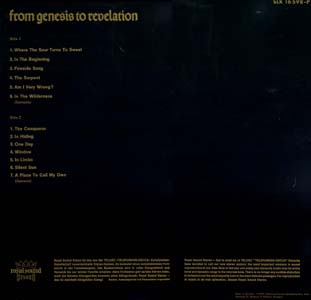
 It shows no or at best only the most minuscule traces of the style that would make them well-known later, and therefore frequently meets with a refusal and lack of affection. Justly so?







 FOXTROT
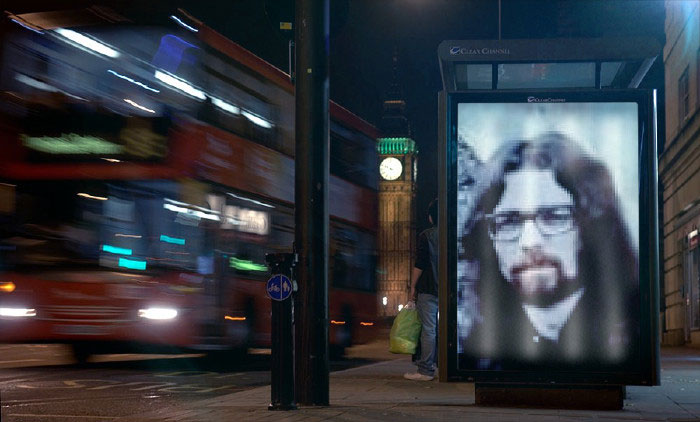
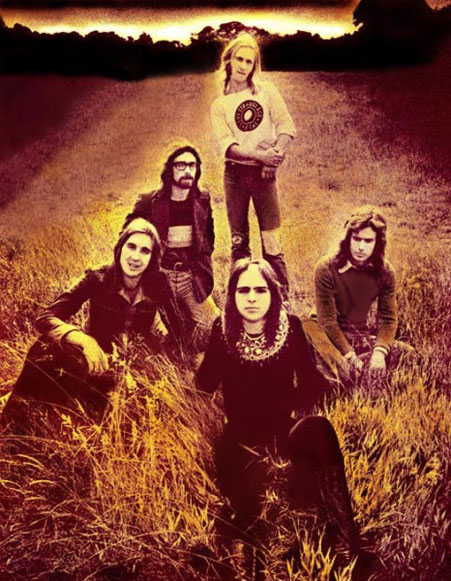
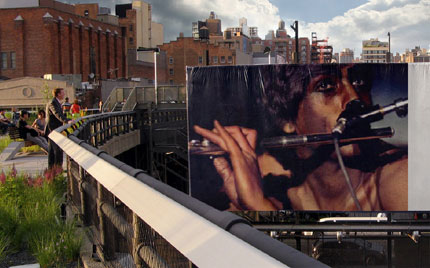
Easily the most angular and eccentric Genesis album, FOXTROT is where Peter Gabriel's idiosyncratic lyricism bears full fruit. "Get 'em Out By Friday" and "Watcher of the Skies" brim with Peter Gabriel's quirky combination of poetics, politics, and philosophy, and with the tricky time signatures that are an early-Genesis trademark. Though these are some of the most powerful, memorable songs in the Genesis catalog, FOXTROT's centerpiece is the 23-minute epic "Supper's Ready," a prog-rock classic that moves through several sections, shifting tempo, mood, and tone colors as it weaves its rich, complex tale. This composition would become Genesis diehards' most beloved tune, known as a concert favorite for years. SELLING ENGLAND BY THE POUND may be the definitive Genesis album, but FOXTROT runs a close second, and is just as much of a gem in the '70s progressive-rock crown.
Genesis:
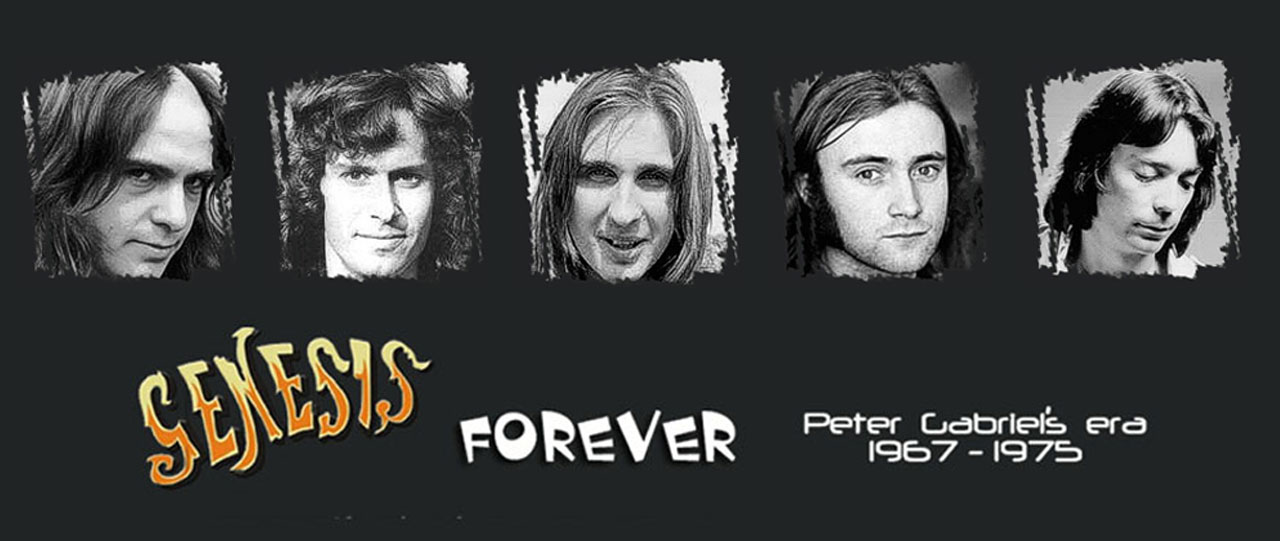
Michael Rutherford (vocals, guitar, cello, bass, bass pedals);
Tony Banks (vocals, guitar, acoustic & electric pianos, organ, Mellotron);
Peter Gabriel (vocals, flute, oboe, bass drum, tambourine);
Phil Collins (vocals, drums, percussion)
Steve Hackett (guitar).
Additional personnel: Gabble Ratchet.
 SELLING ENGLAND BY THE POUND
If one had to pare the prog-rock story down to a handful of essential albums, this would undoubtedly be one of them. SELLING ENGLAND was the culmination of all that Genesis had been striving for since their late-'60s inception, the refinement of the vision that developed on TRESPASS, NURSERY CRYME and FOXTROT (somewhere in the world, there's been a second-wave prog outfit named after every one of these albums). The fusion of a complex classical mind with an electrified rock heart and pastoral folk spirit defined Genesis' anatomy, and never more effectively than on SELLING ENGLAND.
Peter Gabriel's startlingly unpretentious tale-spinning is at its best on "The Battle of Epping Forest." Tony Banks elegant, sophisticated keyboard work is a key element of nearly every tune, and the electric/acoustic guitar tapestry woven by Steve Hackett and Mike Rutherford is the perfect icing on the cake. Somewhat anomalous but entirely welcome is the Gabriel-era band's catchiest/quirkiest song "I Know What I Like (In Your Wardrobe)," the tale of a somewhat daft gardener. Phil Collins's lead vocal on the gorgeous acoustic ballad "More Fool Me" paints the shape of things to come. If you only buy one Genesis album, make it this one.
Genesis:
Peter Gabriel (vocals, flute, oboe);
Steve Hackett (guitar);
Tony Banks (12-string guitar, keyboards, background vocals);
Michael Rutherford (12-string guitar, bass);
Phil Collins (drums, percussion, background vocals).
 THE LAMB LIES DOWN ON BROADWAY
Peter Gabriel's conceptual lyricism reached its apex on the double-length LAMB LIES DOWN. An epic undertaking even for a band used to 10- and 20-minute songs, LAMB weaves over 20 songs into one long suite ostensibly about the tribulations of its urban protagonist Rael. The group achieves an unprecedented level of focus and force here. No matter how complex the guitar and keyboard themes get, they're driven home with enough force and conviction to make them instantly memorable. The panoramic scale of Gabriel's lyrics is easily equal to the grandeur of the music, making this at once Genesis's most hard-edged and most complicated album. From the lush sweep of the opening title track to the almost Beatles-like Britpop of "Counting Out Time," Genesis is at the top of its compositional game throughout LAMB. Having thoroughly topped himself with this release, Gabriel subsequently quit the group, leaving Phil Collins to take over as vocalist for the next phase of the Genesis story.
Genesis:
Peter Gabriel (vocals, flute);
Phil Collins (vocals, vibraphone, percussion);
Steve Hackett (guitar);
Michael Rutherford (12-string guitar, bass);
Tony Banks (keyboards).
Additional personnel: Brian Eno.
 GENESIS ARCHIVE 1967 - 1975
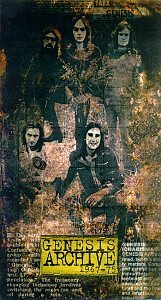
It covers the years 1967 through 1975. DISCS 1 and 2 contain a live rendition of THE LAMB LIES DOWN ON BROADWAY (recorded at Los Angeles' Shrine Auditorium on April 24, 1974), while DISCS 3 and 4 contain old tracks, demos, B-sides and songs recorded at BBC radio sessions. In addition, a 64-page booklet with photos of all phases of the Gabriel years starting with the band's first recording sessions done for UK producer Jonathan King will be part of this package.
This four-disc box will be a revelation to latecomers who believe that Genesis began and ended with Phil Collins. It will be a godsend to those who already know better. GENESIS ARCHIVE contains live cuts, demos and other previously-unreleased material by the band from their creative heyday. With vocalist Peter Gabriel at the helm, the band managed the difficult task of adding both sociopolitical relevance and real rock and roll excitement to '70s progressive rock.
On live versions of classic cuts like "I Know What I Like" and "Firth of Fifth," Gabriel and company offer more energy than on the recorded versions without sacrificing any of the band's vaunted instrumental delicacy. The late-'60s demos of such tunes as "In The Wilderness" and "Build Me A Mountain" offer an illuminating glimpse of the group before they began exploiting the more electronic end of music technology. The centerpiece of this set, though, is a full live recording of the band's celebrated conceptual piece "The Lamb Lies Down On Broadway," which proved to be the swansong of Gabriel-era (i.e. prime) Genesis.
Genesis:
Peter Gabriel (vocals, flute, percussion);
Mike Rutherford (guitar, bass);
Steve Hackett, (guitar);
Tony Banks (piano, keyboards); Phil Collins, John Silver, John Mayhew (drums).
Engineers include: Nick Davis, Geoff Callingham.
Includes liner notes by Tony Banks, Jonathan King, Chris Welch, Richard McPhail, Dave Stopps.Genesis:
Peter Gabriel (vocals, flute, percussion);
Mike Rutherford (guitar, bass);
Steve Hackett, (guitar);
Tony Banks (piano, keyboards); Phil Collins, John Silver, John Mayhew (drums).
Engineers include: Nick Davis, Geoff Callingham.
Includes liner notes by Tony Banks, Jonathan King, Chris Welch, Richard McPhail, Dave Stopps.
 GENESIS LIVE
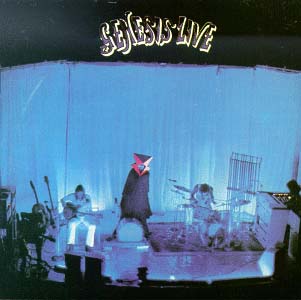
Aside from a portion of the box set, this is the only commercially available live document of vintage Gabriel-era Genesis. LIVE was recorded at the group's 1973 peak, and features hardcore fans' favorite lineup, including Gabriel and guitarist Steve Hackett. The flawless song selection favors tunes from the beloved albums FOXTROT and TRESPASS. The semi-baroque keyboards of Tony Banks and the whisper-to-a-scream dynamic of Hackett are displayed in all their glory.
The songs tend toward the long side (not one is under eight minutes long--prog-rock heaven!), giving the group ample time to work its complex, time signature-shifting, contrapuntal magic. Though we're denied the visual aspect of Gabriel's notoriously elaborate costume changes and onstage antics, the energy of his performance comes through in his urgent vocals, and he delivers some of his most sharply penned lyrics. Subsequent Collins-era live albums serve the legacy well, but this is the Genesis concert album with which to start.
Genesis:
Tony Banks (vocals, guitar, electronic piano, organ, Mellotron);
Michael Rutherford (vocals, guitar, bass, bass pedals);
Peter Gabriel (vocals, flute, bass drum, tambourine);
Phil Collins (vocals, drums, percussion);
Steve Hackett (guitar).