VI: Apocalypse in 9/8 (Co-Starring the Delicious Talents of Gabble Ratchet)
This section is perhaps the most intense of the song, layering cliché apocalyptic lyrics over music in an unsettlingly unusual time signature. The imagery of this section, like its lyrics, takes cues from the Book of Revelations. And just as the lyrics play with the ordering of the events that lead to the end of the world, so too does my artistic license distinguish between what's written and what's shown. "The guards of Magog" are erroneously the 4 horsemen recast as the Four Horsemen of the Apocalypse (left to right; Death, Famine, War and Conquest). Conquest, riding the white horse, is also sometimes associated with Pestilence, so as a happy medium I imagined him as Chemical Warfare, demanding the conquest of other lands at all costs (even the land's own fertility). As they enter the scene, the POV naturally flee in fright.
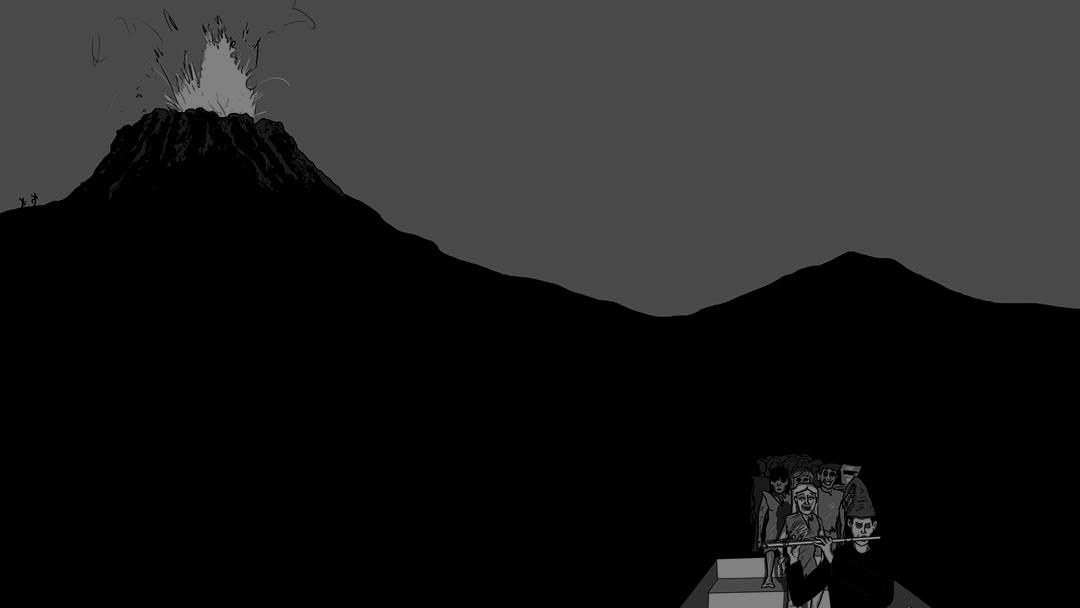
The saga of the GESM comes full circle as he, "The Pied Piper," leads his remaining worshipers underground. They are in rags, yet still gleefully follow him, ignorant to the end. The erupting volcano portends imagery of dragons and destruction, with the POV doing what they can to survive the night. Unlike Willow Farm, which only annoyed the POV with its reality-bending obstacles, everything within the apocalypse is real; the waking dream has become a living nightmare.
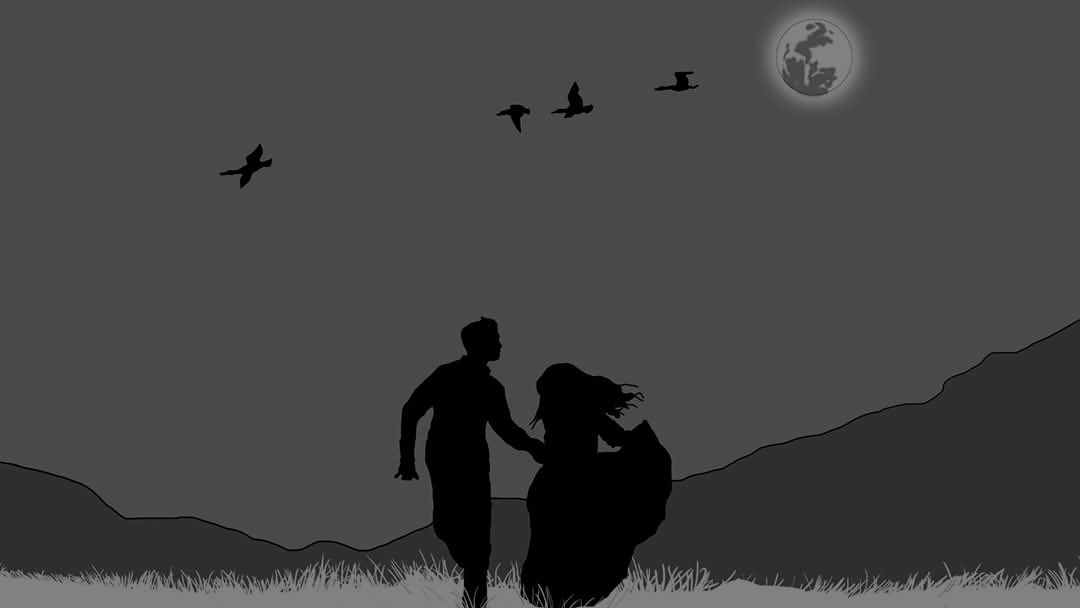
The second part of this section's title, which refers to "Gabble Ratchet," plays an integral role in understanding the imagery of the chase. As found on lyrics.wikia.com's entry on Supper's Ready (an incredibly helpful resource for the comic), "Gabriel's Hounds, also called Gabble ratchet. Wild geese. The noise of geese in flight is like that of a pack of hounds in full cry. The legend is that they are the souls of unbaptized children wandering through the air till the Day of Judgement." Following this, two geese break from their flock to chase the POV.
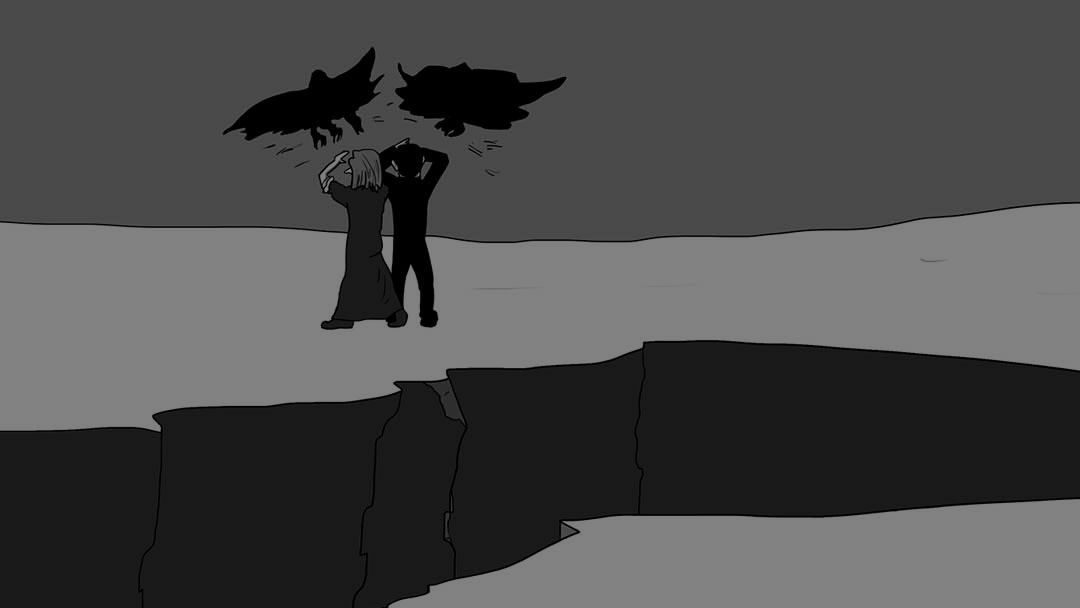
The demons, in their number and nature, create a parallel between the POV and Willow Farm respectively. They are an anti-POV, torturing the couple and toying with them as they flaunt a shapeshifting power that matches the Flower's control over Willow Farm. The difference here is that instead of being good-natured and surreal, these demons (and the terror they subject the POV to) feel grounded within the true end of the world. The forms they take are all allusions to Genesis songs, turning the imagination of the band against the POV.
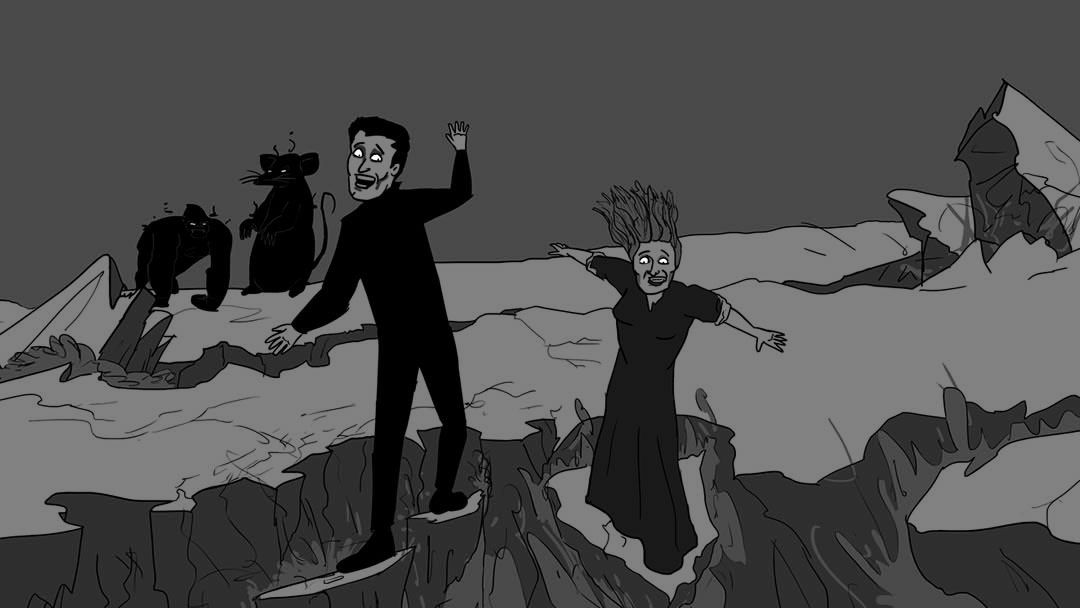
An earthquake (perhaps related to the earlier volcanic eruption) transports the POV down a scree and into rapids that lead them out to sea. The demons follow, shifting their form as they pursue, amused by their prey.
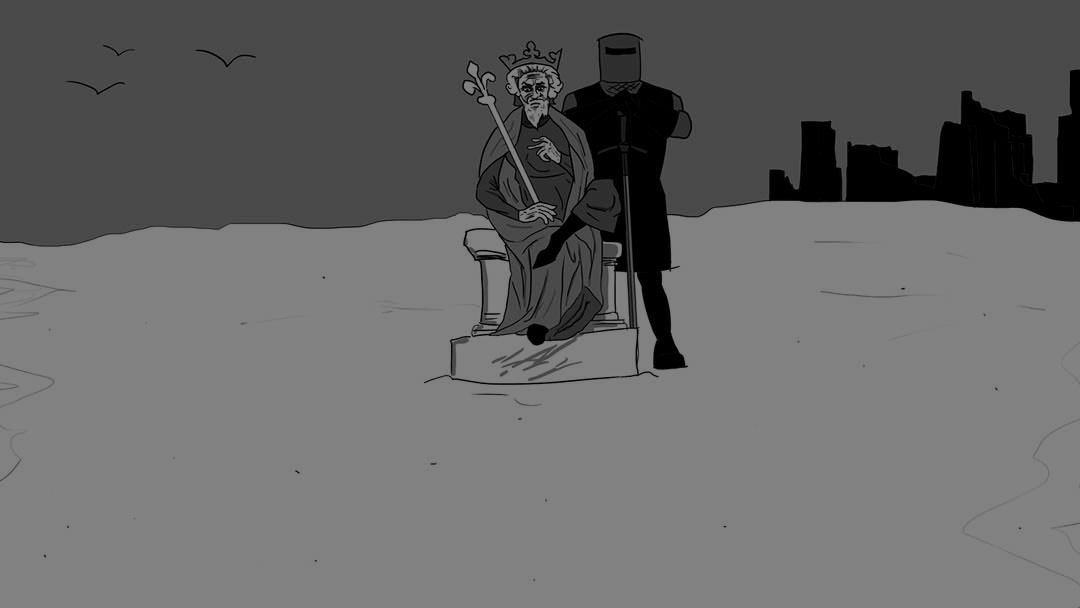
Rather than let them drown, the demons take the form of Canute and a black knight, causing the ocean waves to recede at the king's command. This is a direct reference to "Can-Utility and the Coastliners" off Foxtrot. The demons then take on a more sinister form and continue the chase on foot.
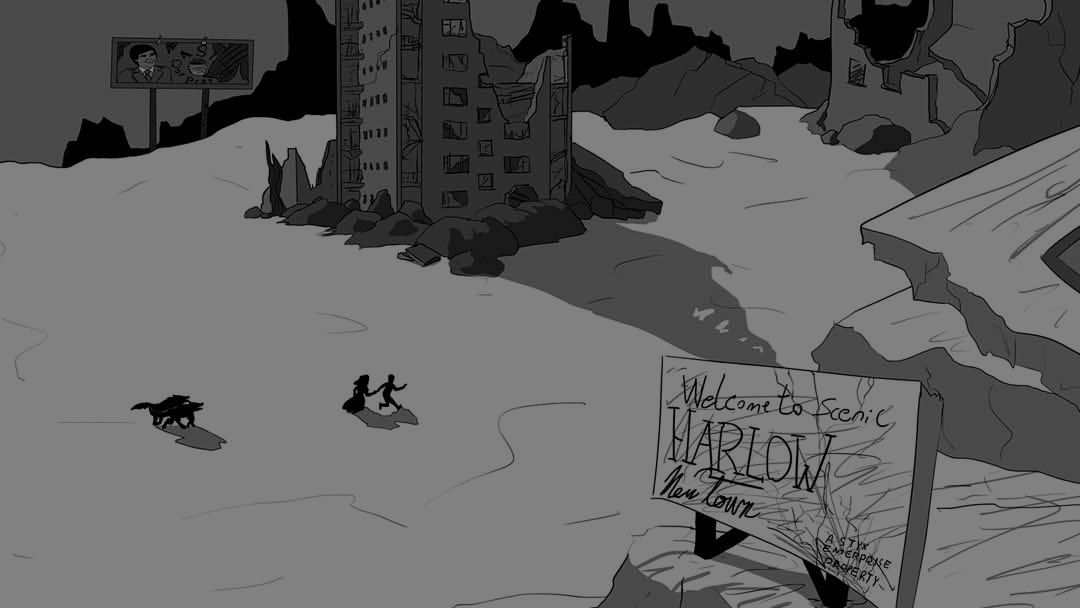
The POV flee into the ruins of Harlow New Town, a reference to "Get 'Em Out by Friday" off Foxtrot. As the end of that song describes its city in the distant future, this ruinous imagery clarifies just how much farther flung this section of Supper's Ready is set.
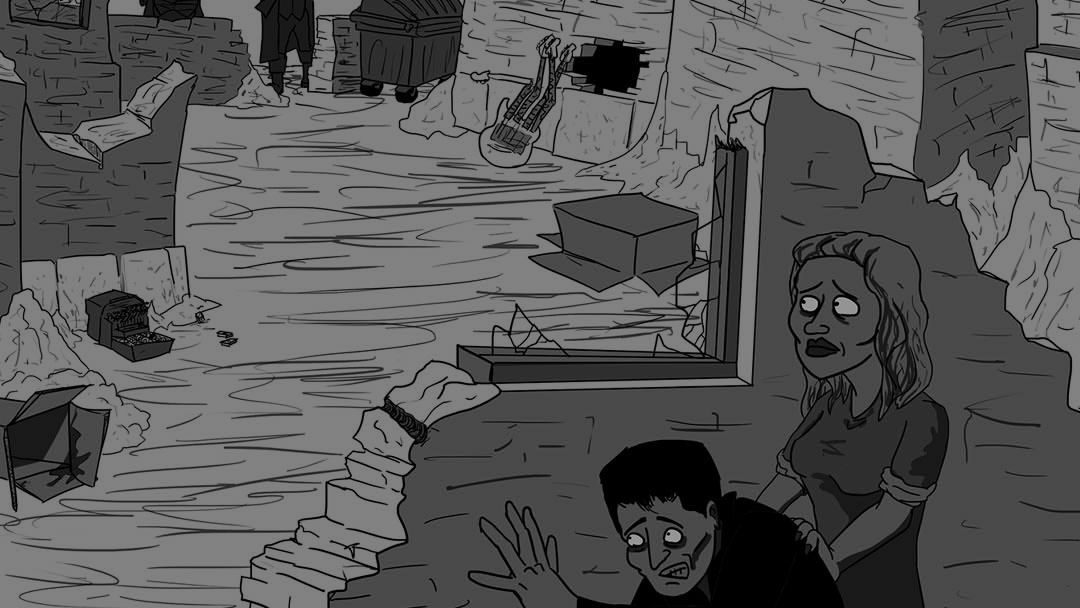
The demons appear to have the POV cornered, but are growing tired of their lopsided game. They disappear and reappear behind the POV in a new form.
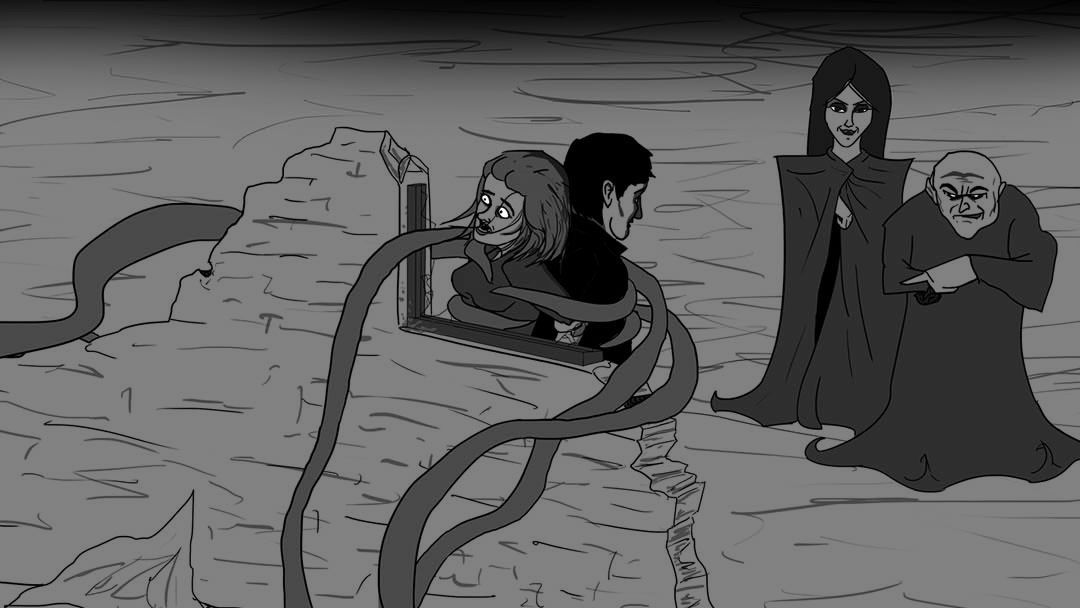
With forms that are seductive and villainous respectively, the demons distract the POV from noticing the vines they have summoned, which leave the POV entangled and at the demons' mercy.
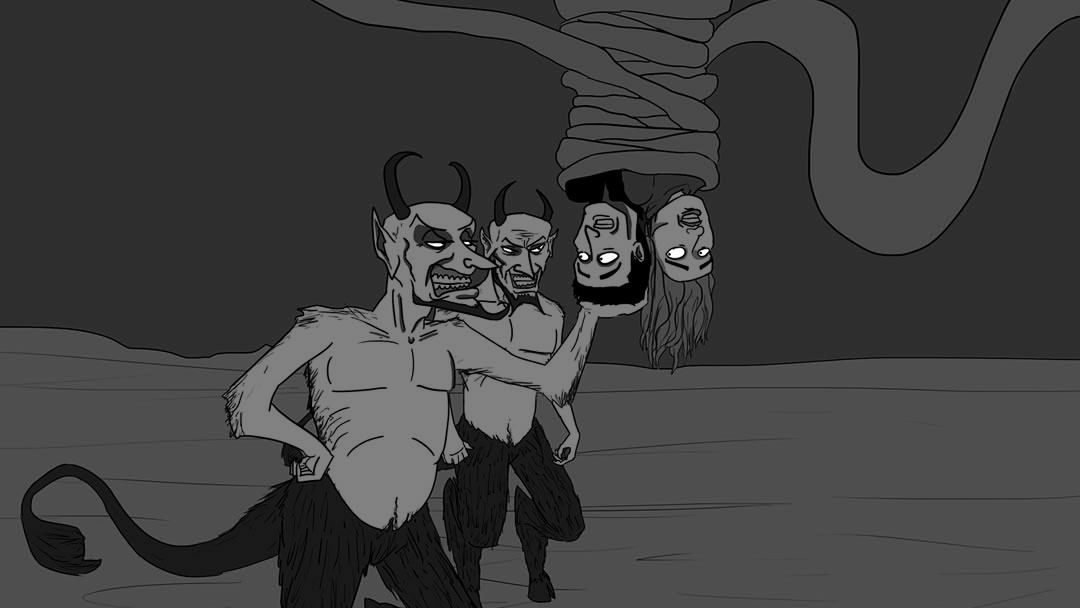
Their true, beast-like forms are finally revealed as the comic cuts to black and the instrumental reaches its final segment.
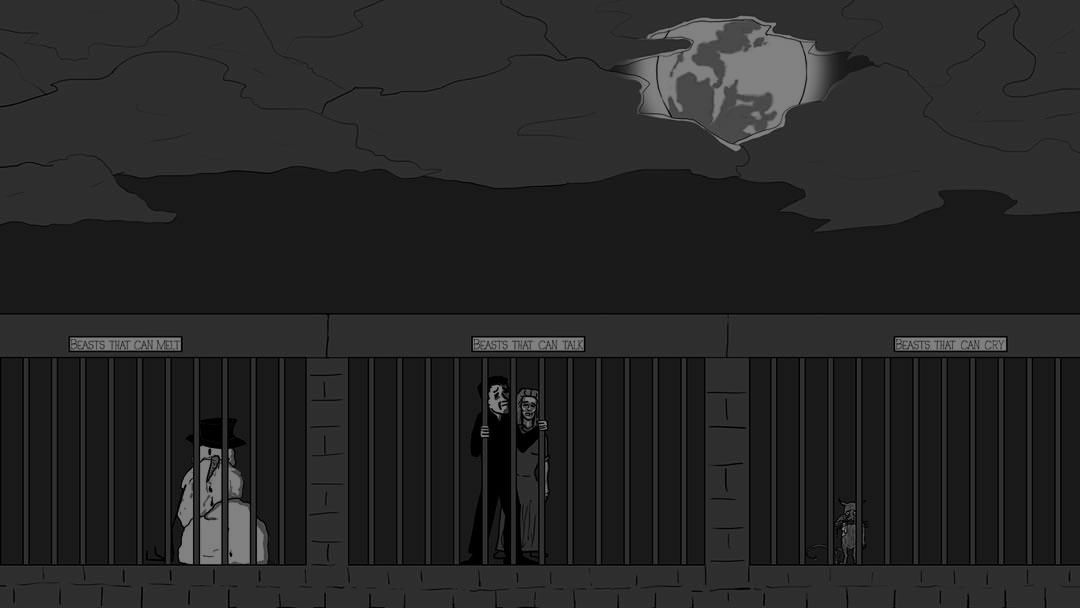
While confined to a cage, the POV are left helpless as the end approaches. They are in some sort of zoo, surrounded by other creatures full of the water of life. At the sound of footsteps, their captors leave the POV behind to go gather in anticipation of the coming of their leader.
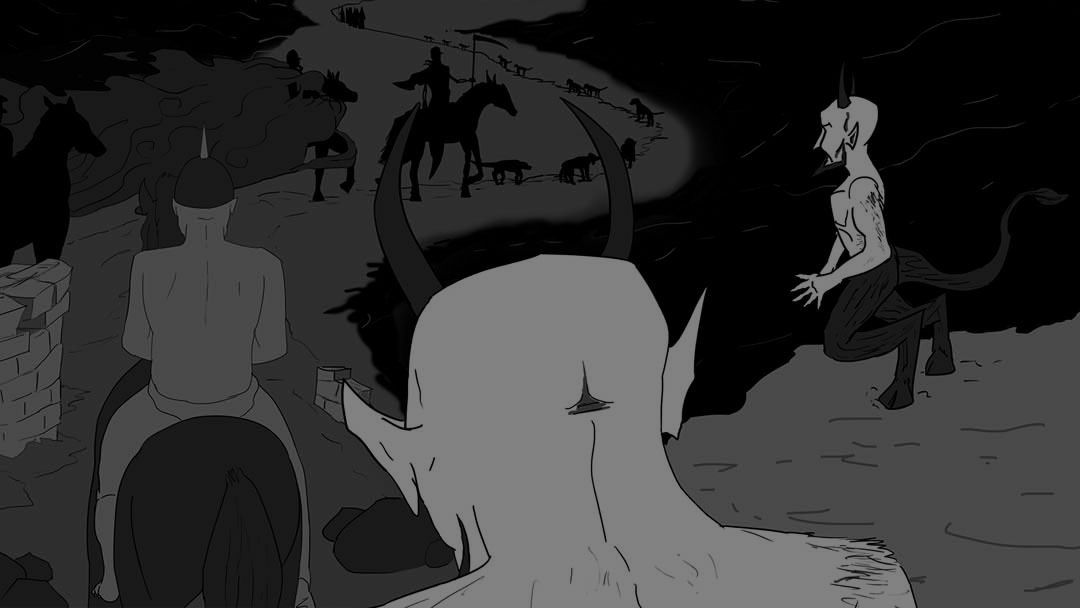
Through dips to black, I try to match the build-up Tony Banks achieves, with a real sense of dread emerging as evil amasses its power for its final moment of triumph.
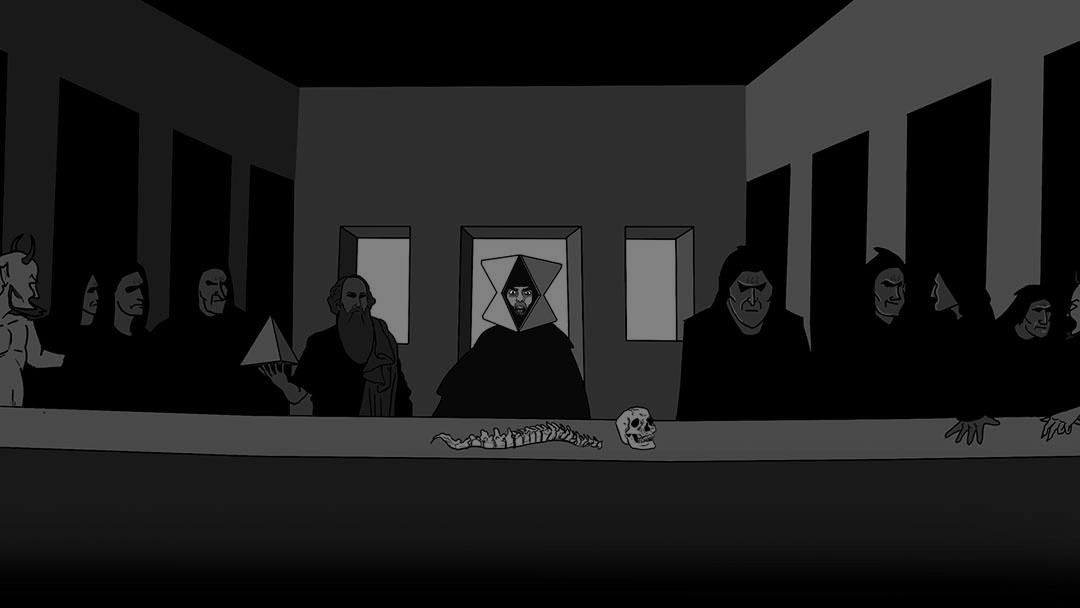
666 is revealed in the company of his apostles, conducting an anti-Supper in which only he is permitted to cannibalistically feast. His look is directly based on the Magog costume Gabriel would wear for this part of the song's live performance, as his most nefarious alter-ego seeks to usurp Gabriel's role as creator. Those present at his table reveal the unfortunate fate of the seven saintly men that appeared in the first section, with even the noblest spirits giving in to the corruption evil offers.
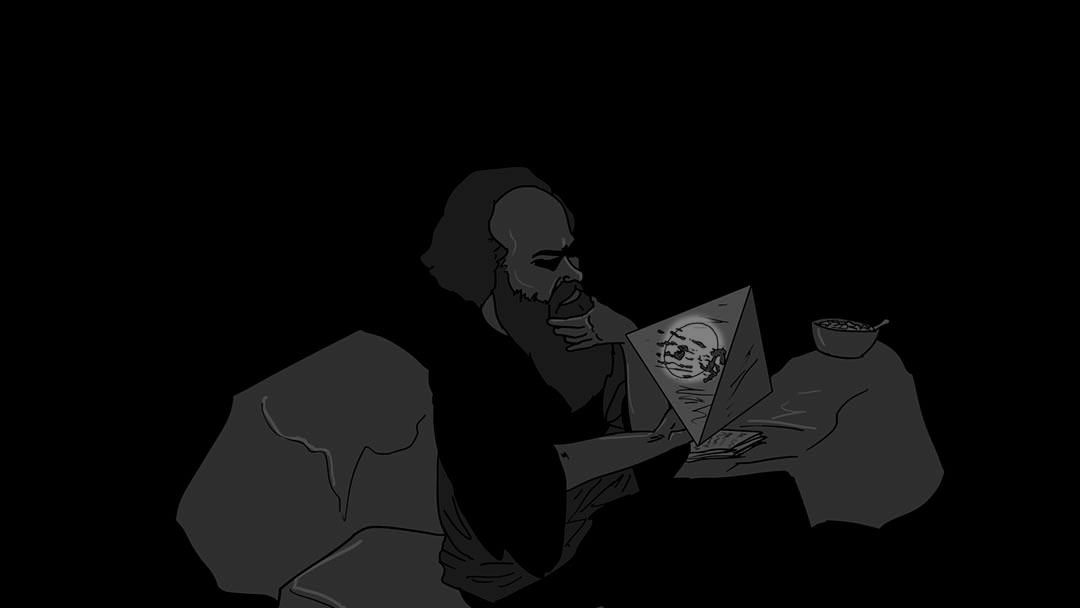
Pythagoras's inclusion is akin to Ikhnaton; another link in history between science, religion and the abusive will of cult leaders. Power corrupts and so on. So as 666 feeds on human flesh, Pythagoras leaves the table to perform his duty...
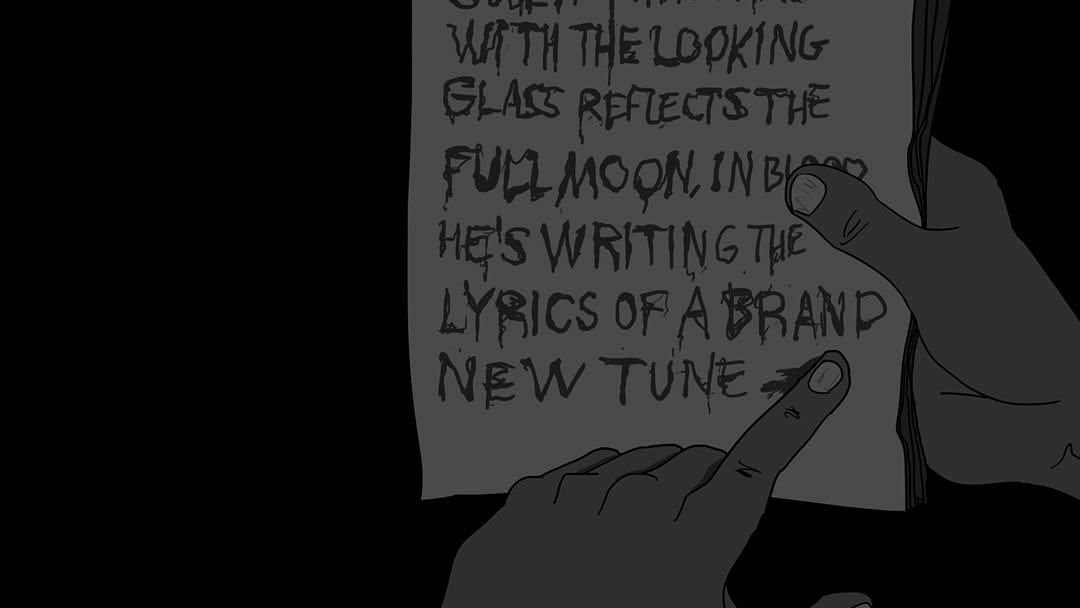
The meta nature of the song on prominent display during Willow Farm has been molded into something sinister here. The shades that make up this song are in open rebellion against their creators; with the "seven trumpets blowing sweet rock and rock" and Pythagoras "writing the lyrics of a brand new tune," they seek to usurp control from the musicians that created them, and in doing so destroy their own world. Instead of accepting the natural order of the song being played start to finish throughout the years, they wish to end the cycle and write themselves into their own world; a grander vision than the false prophet GESM was able to muster and a more chaotic vision than the Flower was able to imagine, their plan would truly bring about the end of the world, descending all who inhabit it into eternal darkness/nonexistence.
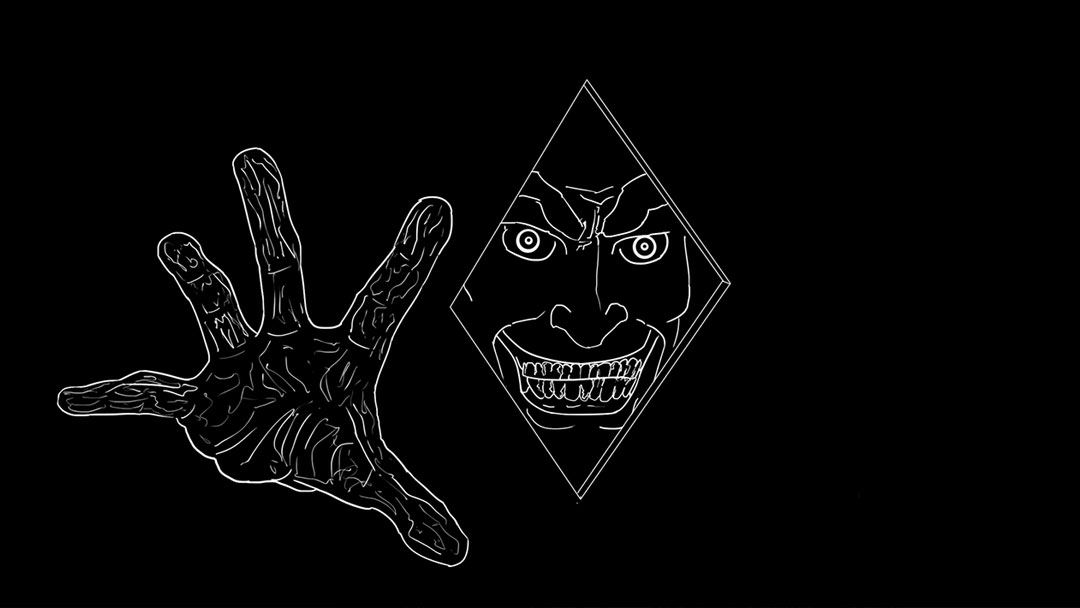
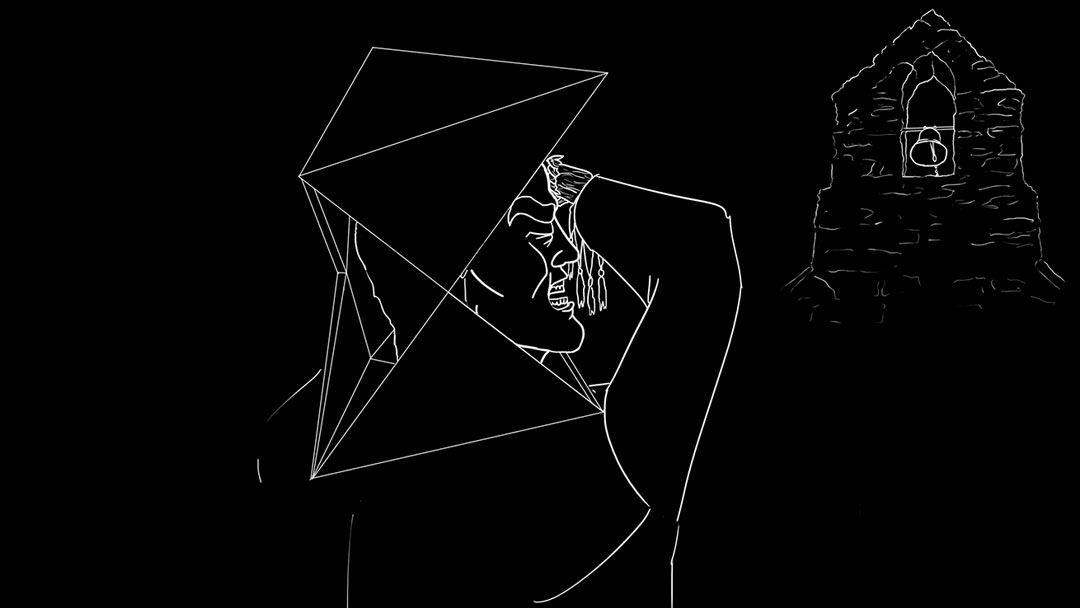
As it seems that victory is assured, 666 advances on the caged POV to end them (and with them, the world). The already dark palette of reds to descends to one nearly total black to match this sense of despair, and it seems our POV is trapped and doomed...
Interlude
But at the last second, the music breaks down and a reprise of flute beckons the POV's salvation into the light. The bell at the end of this section reminded me of the brilliant use of a similar bell in Disney's adaptation of "Night on Bald Mountain" during their film "Fantasia." As that demon's reign is ended by the dawning of the new day, so too is 666 thwarted by the indestructible modality of hope.
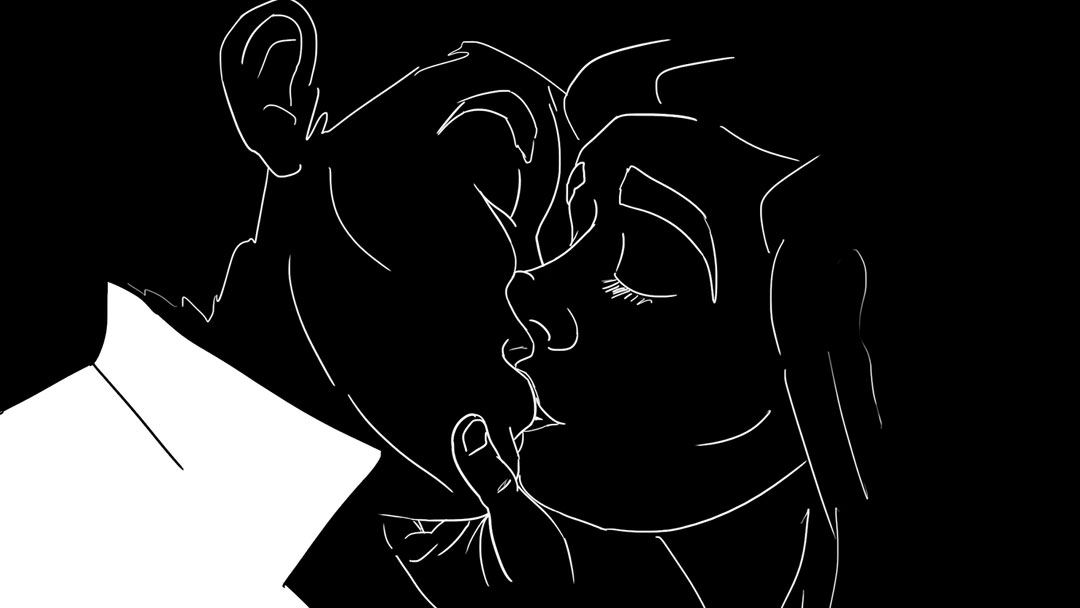
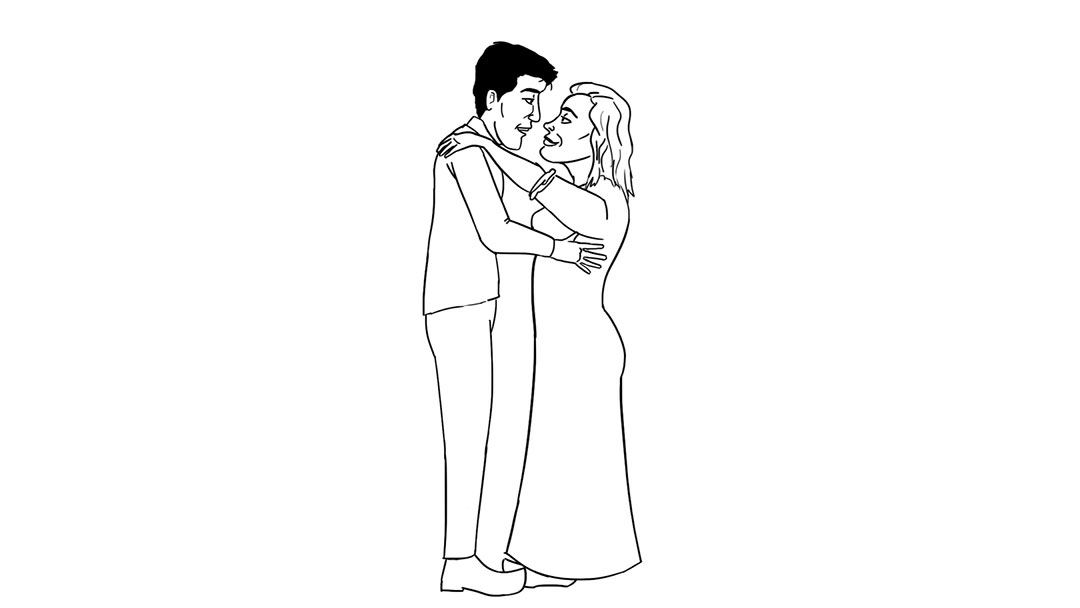
The POV seal this hope with a kiss, and just as Gabriel would shed his Magog outfit in a flash charge of light to reveal an all-white ensemble underneath, so too does the male's outfit change to white at the moment of his lover's embrace.